Wisconsin Candidate Headshots
Your photo will be on more things than you think: the sign in the yard, the card in a hand, the top of your website and the little circle next to your name on Facebook. Many voters will see your face before they hear a word you say.
 Tony Ruffi12 min read
 Add as a preferred source on Google
This guide covers what makes a good campaign headshot, how many photos you need, what to wear, who should take them and who owns them after. By the end, you'll have a plan for one photo day that covers your whole race.
Frame by frame
What makes a good campaign headshot?
A good headshot shows your face clearly, looks like you on a normal day and feels friendly. The voter should see your eyes, a real smile and a plain background in about one second. It has to stay clear when it's shrunk to the size of a stamp, because that's how most people will see it.
- The one-second test: a stranger should see your face, your eyes and a friendly look right away
- The small test: it has to work at the size of a stamp, because that's where most people see it
- The set: get four kinds of photos in one session, not one lonely picture
- The clothes: solid colors, a clean fit, and something you'd wear to a door
- The light: outside, on a cloudy day or in open shade
- The rights: get the photographer's permission to use the photos in writing
- The look: one photo, used the same way everywhere, from sign to screen
Think of the photo as a handshake that happens before you meet. It tells a voter if you seem like a neighbor, and it does that in the time it takes to drive past a sign. If you haven't picked a campaign look yet, our Wisconsin campaign slogans article pairs well with this one, since the words and the face go on the same pieces.
How many photos does a Wisconsin campaign need?
Four kinds, shot in the same session: a tight headshot, a half-body shot, a photo of you at work with people, and a wide shot with empty space for words. Each one has a different job. A race that has only one picture ends up squeezing it into places it wasn't made for.
| The shot | Where it goes | What to look for |
|---|---|---|
| Tight headshot (face and shoulders) | Yard signs, palm cards, the small profile circle on social media | Eyes in focus, nothing busy behind you |
| Half-body shot (waist up) | The top of your website, mailers, news releases | Hands relaxed, an easy stance |
| You with people, in action | Door hangers, posts, the "about" page | Talking, listening or shaking a hand, a real moment |
| Wide shot with empty space | Facebook cover, video thumbnails, website banners | You on one side and clean space on the other, so words can sit there |
It's common to get only the first one and then wonder why the website looks empty. Our yard sign article shows why the tight shot matters so much on a sign, and our palm card guide shows how the same face carries a card.
In one morning of about two and a half hours, we shot eleven usable looks for a school board candidate. That one set ran the whole race: the mailer, the website and every post. That's the idea to copy, even if you shoot it yourself. Plan the set before you start, then take it all in one go.
Should a friend with a phone take your photo, or a pro?
Either can work. A friend with a recent phone and good light can get a fine headshot. A pro brings a trained eye, fast edits and a set that's cropped for every use. If the race is big, or you don't know what you look like in photos, hire one. If it's tiny, a good friend and a plan will do.
| A friend with a phone | A professional | |
|---|---|---|
| Cost | Free, or a thank-you lunch | A fee, which counts as campaign spending (see below) |
| Strength | Relaxed, easy to book again | Lighting, posing help and a full set |
| Watch for | Bad light, a messy background, a blurry shot | Not getting your rights in writing |
| Best for | A small race or a quick refresh | A race where one photo will be on everything |
Whichever way you go, look at the photos on your phone at small size before you pick one. Shrink them to the size of a stamp. If your face still looks clear and friendly, you've got it.
What should a candidate wear for a campaign photo?
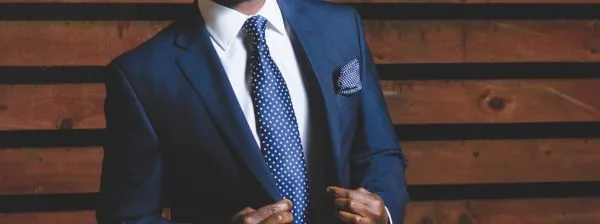
Wear something solid, clean and comfortable, in a color that looks good on you. A jacket in navy, gray or a deep color works well. Skip small stripes and tight patterns, which can shimmer in a small photo, and skip big logos. If you'd feel odd wearing it at someone's door, don't wear it for the photo.
Here's what we tell candidates to bring and check:
- Two or three outfits, so you can pick the one that looks right on camera, not just in the mirror.
- A jacket that fits across the shoulders, because a jacket that's too big makes you look small.
- A solid shirt or top, without a loud pattern.
- Colors close to your campaign colors, if it feels natural. You don't need to match them.
- Shoes and a coat for the weather, if you're shooting outside. Voters see more of you at the door than in a photo.
Do we take candidates shopping? Sometimes, when a candidate needs help getting it done a certain way. What we tell all of them is to pick one outfit that looks good and works for everything, then wear that outfit. A sport coat, jeans and a dress shirt is typical. Buy two dress shirts so you can swap them and keep the same coat. It doesn't have to be fancy, and Kohl's or a men's clothing store will do. What matters is that it fits.
Most people who run for office aren't used to dressing up, and clothes that feel wrong add to the nerves you already have when you're talking in front of people. If you have the budget, we like going custom. A custom outfit fits you, and we find candidates look more capable, feel better and do everything about 10% better in it. That's the kind of small edge we want for every candidate. We often point people to Fine Line Custom Attire, who will meet you and get you set up.
The one thing to skip is the old sport coat from the back of your closet that you wore 20 years ago. Buy nice or buy twice. Then wear the same campaign outfit everywhere: at doors, at dinners, at events and in commercials. We have candidates wear it in every commercial we shoot. A custom outfit also works for the next race.
Where and when should you shoot it?
Shoot outside, on a cloudy day or in open shade, with a plain background behind you. Soft light is kind to every face. Harsh sun makes squinting, shadows under the eyes and a shiny forehead. If you have to shoot indoors, stand near a big window and face the light.
Spring races in Wisconsin mean many candidates take their photos in the cold months. That's worth planning for. Snow on the ground bounces a lot of light up under your face, which can be great or harsh, so check the first few shots. A coat that looks fine in your yard can look bulky in a photo, so bring a lighter jacket and keep warm between shots.
Pick a background that says something true about where you're running, like a downtown street, a school entrance or a main road. Make sure it's plain enough that your face stays the star. And look behind you before you shoot: no other candidate's sign, no logo you don't want to promote and no people who haven't agreed to be in your photo.
How do you stand and what do you do with your face?
Face the camera, put your weight on your back foot, lean in a little and look right into the lens. Think of someone you like just before the photographer clicks, because a real smile shows in the eyes. Take a lot of shots, since the best one is often the fifth or the fortieth.
Here's a short routine we use:
- Stand at an angle, then turn your face to the camera. A straight-on stance looks stiff.
- Push your chin out and down a tiny bit. It feels silly, but it makes the jaw look clean.
- Look into the lens, not at the photographer, when the shutter clicks.
- Think of a person who makes you laugh. Don't say "cheese." A real smile reaches the eyes.
- Move between shots. Shake out your arms, roll your shoulders and talk. We keep candidates talking, and the shots stop looking posed after about ten minutes.
- Take 100 or more, then pick the best three or four together.
Light touch-ups are fine, like a stray hair or a blemish. Don't change how you look. A voter who meets you at the door should know the person in the photo. A photo that looks like someone else costs you trust the moment you shake hands.
Who owns your campaign photo?
The photographer, unless you both sign a paper that says otherwise. Under federal copyright law, which gives the maker of a creative work the legal right to control it, the person who takes a photo owns it from the start. A transfer of that ownership only counts if it's in writing and signed. So get a written license that lets your campaign use the photos.
That's in 17 U.S.C. § 201, which says copyright "vests initially in the author," and 17 U.S.C. § 204, which says a transfer "is not valid unless" it's in writing and signed. A license is the permission to use a photo in set ways.
Here's what to ask for, in writing, before the shoot:
- Every use you'll need: signs, mail, your website, social media, video and news releases
- How long: the whole race, and after, if you win and want to keep using it
- Cropping and edits: the right to crop, resize and touch up
- The original files: full-size files, not small copies
- Credit: whether the photographer wants a credit line, and where
Never pull a photo of yourself from Google, a news site or someone else's Facebook page, even if it shows you. Someone owns that picture, and using it without permission can get you in trouble. If you want a photo of you with other people, get their OK too. A lawyer can turn the list above into a one-page agreement, and a good photographer will already have one.
Does a campaign report what it pays for photos?
Paying a photographer with campaign money counts as campaign spending, which your campaign finance reports may need to show. If a friend takes your photos for free, Wisconsin law says services from someone who isn't paid for them don't count as a contribution. A business that gives you free work or a big discount is less clear, so ask first.
The statute is Wis. Stat. § 11.0101(8). It says a "contribution," which is a gift to a campaign, doesn't include this: "services that an individual provides to a committee, if the individual is not specifically compensated." A committee is the campaign group you register with your clerk. Which reports your campaign has to file depends on your race and how you registered. Check with your clerk and the Wisconsin Ethics Commission, and ask them before you accept free work from a business.
One more rule applies to anything you print with your photo on it. Mail, cards and signs that urge a vote need a "Paid for by" line. Our paid-for-by article has the details, and our palm card guide shows where it goes.
How do you keep one look from sign to screen?
Pick one favorite and use it everywhere, the same way each time. Save the full-size file in a folder you can find, and give your printer and web person the same copy. When a voter sees the same face on a sign, a card and a website, that's what builds a feeling that they already know you.
Here's how we keep it tidy:
- One folder, clear names. "Smith-headshot-tight.jpg," not "IMG_4471."
- The big file goes to the printer. Ask your printer what size they need before you send anything. A small file looks soft on a big sign.
- Match the crops. A tight shot on the sign, a wide shot on the website and the same tight shot in the social profile circle.
- Keep it current. Use a photo from this year, so the person at the door looks like the person on the card.
- Update it when it's stale. If you've changed your hair, grown a beard or lost your glasses, retake it.
If you're still building your site, our campaign website checklist shows where each photo goes on the page.
What do campaigns get wrong with their photos?
They use an old photo, a blurry one or a selfie with a messy room behind it. They take one shot and stretch it over everything. They forget to get their rights in writing. And they save the full-size files in only one place, so a laptop crash leaves them with a tiny copy.
Here's the short list we watch for:
- A photo that's years old. Voters feel tricked when you look different at the door.
- Sunglasses, hats or heavy shade over the eyes. Voters want to see your eyes.
- A busy background, like a crowd, a cluttered shelf or a rival's sign.
- No rights in writing, which can turn into a fight right when the race heats up.
- Only one crop. A photo cut for a sign looks wrong as a banner.
- Over-editing. A smooth, fake look is worse than a plain one.
- Waiting until signs are due. Our own shoots book two to three weeks out in season, and a rushed photo shows.
In a close race, small things matter. One village president race we worked in 2025 was won by 18 votes, and every detail in that campaign got attention, including the photo.
A photo day you can pull off this month
Book one morning, pick your outfits, find a spot with soft light and get everything on this list in one go. Then pick your best three, shrink them to the size of a stamp, and check that your face still shows up. Here's the plan, in order.
- This week: decide who takes the photos and sign a one-page agreement that covers signs, mail, web, video and social.
- A few days before: pick two or three outfits and check the weather.
- Photo day: shoot all four kinds, a tight shot, a half-body shot, you with people and a wide shot with empty space.
- The next day: choose your best three, check them at stamp size and save the full-size files in one folder.
- Before you print anything: send the same file to your printer and your web person, and add the "Paid for by" line.
Doug Diny won the Wausau mayor's race in 2024 with 52%, unseating the incumbent while being outspent. Our photos of him were shot out in his district, not in a studio, and that's how we do it: shoot where voters will recognize you. You can read how that race came together in our Diny case study.
This article is general information, not legal advice. Copyright and campaign finance rules can change, and the right answer depends on your race. Check the details with the Wisconsin Ethics Commission and your filing officer, and ask a lawyer to review any agreement with a photographer.
Want photos that look like you and work on every sign, card and screen? Our photography team shoots on location for candidates across all of Wisconsin, including the Northwoods, at every level from school board to Congress & governor. The first conversation is free.
What candidates ask before the camera comes out
Should I smile in my campaign photo?
Yes, but make it a real one. Think of someone you like right before the shutter clicks, and the smile will reach your eyes. A stiff smile looks worse than a calm, friendly face. Take many shots and pick the one where you look like you do when you greet a neighbor.
Can I use a selfie for my campaign?
You can, but it's rarely your best choice for a sign or a card. A selfie bends your face and shows a messy background. If you must, face a big window, hold the phone at eye level and ask a friend to take it instead. Photos taken by someone else look better.
Who owns the photos a photographer takes of me?
The photographer does, unless you both sign a paper that says otherwise. Federal copyright law makes the person who takes a photo its first owner, and a transfer must be in writing and signed. Get a written license that covers signs, mail, web, video and social. Not legal advice.
Do I have to report what I pay a photographer?
Paying a photographer with campaign money counts as campaign spending, which your reports may need to show. Services from a person who isn't paid don't count as a contribution under Wisconsin law. What you file depends on your race, so check with your clerk and the Wisconsin Ethics Commission.
How often should I update my headshot?
Use a photo from this year, and retake it if your look changes, like a new haircut, a beard or no glasses. A voter at the door should recognize the person on the card. If you run again in a later year, plan a fresh photo day each time.
Does Bluejack work with candidates all over Wisconsin?
Yes. We work with candidates across all of Wisconsin, including the Northwoods, at every level from school board to Congress & governor. We shoot on location in your district, so the photos look like you and the place you want to serve. Reach out for a free consultation.
Fact-checked October 17, 2026 against 17 U.S.C. §§ 201 and 204, Wis. Stat. § 11.0101 and the Wisconsin Ethics Commission attribution rules (Wis. Stat. § 11.1303).
- 17 U.S.C. § 201, Ownership of copyright, Legal Information Institute accessed Oct 17, 2026
- 17 U.S.C. § 204, Execution of transfers of copyright ownership, Legal Information Institute accessed Oct 17, 2026
- Wis. Stat. § 11.0101, Definitions, Wisconsin Legislature accessed Oct 17, 2026
- Attribution/Disclaimer Requirements, Wisconsin Ethics Commission accessed Oct 13, 2026
- Local Candidates, Wisconsin Elections Commission accessed Oct 13, 2026