Campaign Website Builder in Wisconsin
A campaign website is only yours if you control it. The best design in the world does not help if you can't log in, can't move the web address, or can't get your files back.
 Tony Ruffi9 min read
 Add as a preferred source on Google
This article walks through who can build your site, who should own the domain name, and the questions to ask before you pay anyone. By the end of it, you'll have a short list you can hand to any builder, whether it's a friend, a freelancer or a full team.
From first call to handoff
Who can build a Wisconsin campaign website, and which one fits you?
You have four choices: build it yourself on a website builder, hire a freelancer, hire an agency, or work with a team that also runs your marketing. Pick by how much time you have, how custom you want it, and how much you need video, email and ads tied in.
- 1 owner for the domain name, and it's you or your committee
- 5 minutes to look up who owns an address before you pay for anything
- 0 logins held only by the builder, because every one should also be in your name
- 1 written list of what the builder hands over, signed before the last payment
- 1 test of the site on a phone and under a rush of visitors, before launch day
Here is how the four choices compare. None of them is wrong. The trouble starts when nobody says who owns what.
| Choice | Good for | Watch for |
|---|---|---|
| Do it yourself on a builder | Small races, tight budgets, candidates with time | Your time, plain looks, and the limits of the builder's templates |
| Freelancer | A custom look from one person | One person means one point of failure if they get busy or leave |
| Agency | Bigger races that need a lot at once | Work passed to people you never meet, and who holds the logins |
| Team that also runs your marketing | Races that tie the site to video, email and ads | Make sure the work is done by the people you talked to |
In a race where voters have never heard of you, they will look you up. Yauo Yang was a first-time candidate in the 2026 Wausau School Board race, and he got 8,231 votes, the most in the race, against three incumbents. Whoever you choose, the page a voter lands on has to be one you control. Our campaign website checklist covers what goes on the pages, and this article covers who builds them.
Who should own your domain name?
You should. A domain name is your web address, like janedoeforschoolboard.com. Whoever owns it decides where it points and whether it renews. If a builder, an agency or a friend owns it, they can move it, hold it or let it expire, and you would have no say.
Here is how to keep it yours:
- Register it yourself. Use your own email and your own payment, or your committee's.
- Turn on auto-renew and put the renewal date on your calendar.
- Give your builder access to work on it. Working on the name and owning it are two different things.
- Check who owns a name before you trust it. The free ICANN lookup tool shows the company that sells the name and the contact on file. Some owners hide their details, so also make sure you can log in to the account.
- Buy the common misspellings and the .org or .com you don't use. They cost little, and they keep someone else from sitting on your name.
A name that is lost is hard to win back. Some campaigns have found out in the worst way that the web address on every sign belonged to someone else.
What should you ask before you hire anyone?
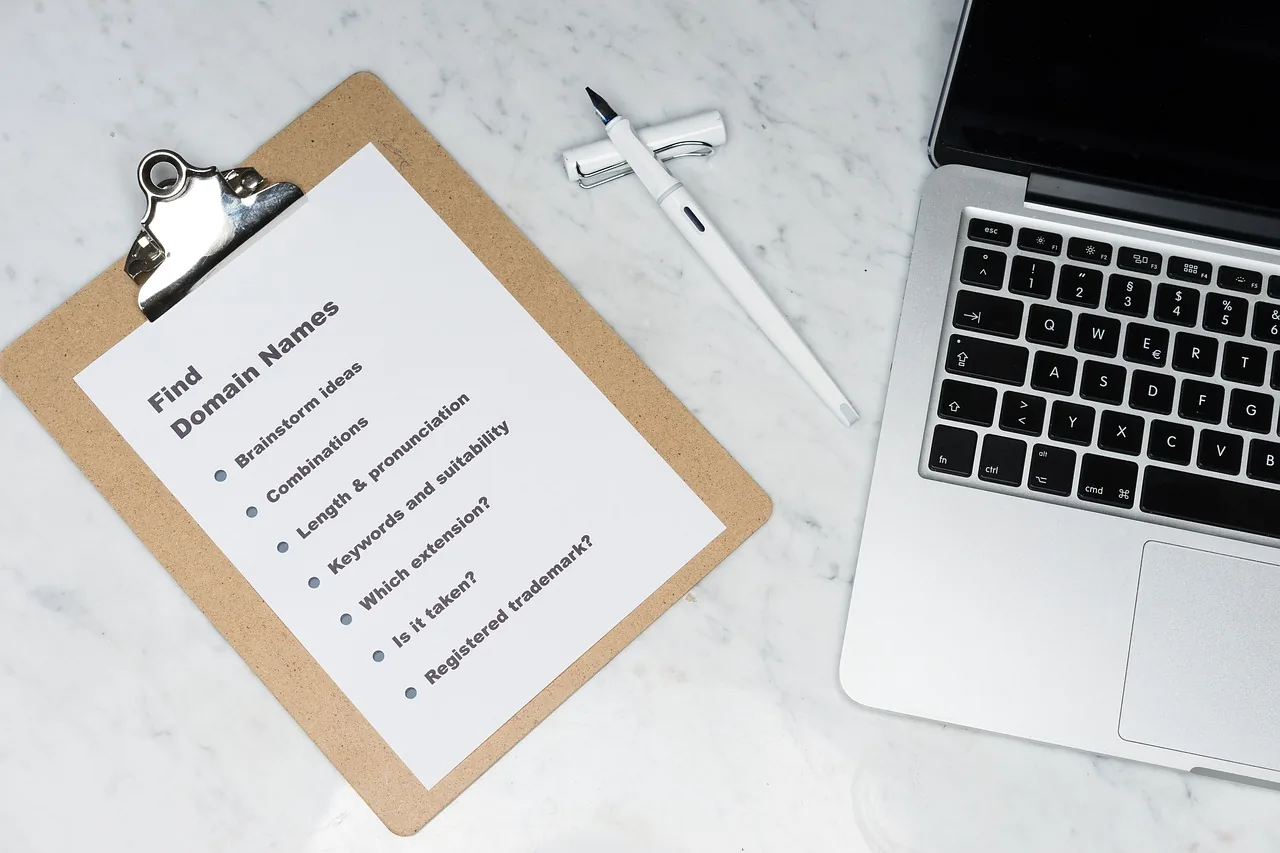
Ask who will do the work, who will own the accounts, what you get at the end, and what happens when something breaks. A good builder answers in plain words and puts the answers on paper. If they dodge a question, that tells you what you needed to know.
Here are the questions we would ask:
- Who will build it? Ask for the names of the people. If part of the job goes to someone else, you should know who.
- Whose name is on the domain and hosting accounts? The answer should be yours.
- Can I see other sites you built? Open them on your phone.
- How long until it's live? Work back from your announcement and your first mailer.
- What does it cost each month after launch? Get the number for hosting, updates and support.
- Who answers when something breaks? Ask how fast, and how to reach them.
- Can I edit the pages myself? A small change like a new event date should not need a bill.
- What do I get if we part ways? The next section covers this one.
If you are also weighing a bigger hire, our article on how to hire a political consultant has more questions that work here too.
Can you leave later and take your site with you?
You should be able to, and you should ask before you sign. Get a written list of what you get at the end: the logins, a full copy of the site files and text, your photos and videos in full size, and the renewal dates. A builder who is proud of the work won't mind putting it in writing.
Why does this matter? Campaigns end, and then they start again. Maybe you run again in two years, or the builder gets busy, or the company closes. If your site lives in one place that only they can open, you may have to start over. Ask to keep a fresh copy of the site every few months, and keep it somewhere that is yours.
What happens when a lot of people visit at once?
A site that works on a quiet day can slow down or stop when a crowd shows up. That's likely on your launch day, the day a news story runs, or the day an email goes to your whole list. Ask your builder how the site handles a rush, and test it before you announce.
It happens to big campaigns too. When Marco Rubio announced his run for president in Miami on April 13, 2015, his campaign website went down shortly after the speech. The report doesn't say why, and it doesn't need to. The lesson is that the moment you get the most attention is the moment the site has to hold up.
You can plan for it:
- Tell your builder your launch date and when emails or ads will go out.
- Keep the pages light. Shrink big photos, and put long videos on a video site, then show them on your page.
- Have a backup page ready. A short page with your name, your office and a signup box is better than an error screen.
- Open the site on a phone over a weak signal, since that's how many voters will see it.

What should a builder do about safety & the "Paid for by" line?
A good builder keeps the site updated, uses a secure web address that starts with https, makes backups and builds pages that people with disabilities can use. They should also put your "Paid for by" line in the footer. Ask the Wisconsin Ethics Commission what your site needs.
A few plain checks:
- Updates and backups. Ask who updates the site and how often a backup is made.
- Secure address. The web address should start with https and show no warning in the browser.
- Easy to use for everyone. The web has a set of accessibility guidelines called WCAG. Ask if the builder follows them, which means things like readable text, photo descriptions and buttons that work with a keyboard.
- The "Paid for by" line. We put the words "Paid for by" and the committee's exact name in the footer of every campaign site we build. The Ethics Commission's attribution page is where to confirm what applies to you, and our article on Wisconsin "paid for by" rules has more.
This is a plain overview, not legal advice. Ask the Wisconsin Ethics Commission what applies to your site, and ask your clerk about anything else.
What do first-time candidates get wrong when they pick a builder?
Most of them pick on looks and price, and they never ask who owns the accounts. A few pages look great and cost little, and then six months later nobody can log in. The questions above take about twenty minutes, and they save a lot of trouble.
A few slips we see again and again:
- Taking a friend's offer with no paperwork. A friend helping is kind, but write down who owns the domain and who holds the logins.
- Letting the builder register the domain. It's quick for them, and it leaves you without the keys.
- Skipping the phone test. Most voters will see your site on a phone.
- Waiting too long. Your signs, mailers and first post all point at the web address, so the site has to be ready first.
- No plan after launch. Someone has to update the events, answer messages and add new photos.
When a candidate hands us a site someone else built, the first thing we check is what it says about them. What does it say they believe, and what does it show about who they are? We say a website is the digital version of your candidate. A voter who can't meet you will go there first, before the news or anywhere else, so it has to look and sound like you.
Most of the time an old site doesn't fit the brand we build for a client, which has to work across the whole campaign and after it, for as long as they're in politics. We've had to rebuild a lot of sites that came from somebody else. They looked rough and poorly made, or it would have taken so much work to match the brand that a fresh build made more sense.
The one-page sheet that keeps your site yours
Write one page, and keep a copy at home and one with your treasurer. List the domain name, the company where you bought it, the email on the account, the renewal date, the host, the builder and who has admin logins. If a page like this exists, a lost builder is an annoyance and not an emergency.
Add two more lines: where the latest backup of the site is kept, and who to call first if the site goes down. Then check the sheet each month, which takes about five minutes.
Want a site that is built for you, in your name, and tied to your email, video and mail? Candidates anywhere in Wisconsin, Northwoods included, can work with us, from school board all the way up to Congress & governor. Our web design team builds sites with the domain in your name from day one. Book a free consultation or call 715-314-3250, and read more in our Digital Campaigning articles. If you plan to collect emails, our guide to building an email list is a good next read.
This article is general information, not legal advice. Rules change, and platforms and builders have their own terms. Before you launch, ask the Wisconsin Ethics Commission and the Wisconsin Elections Commission what your site needs, and talk to your clerk, who is usually your filing officer.
What candidates ask before they hire
Should I build my own campaign website or hire someone?
Both work. A simple builder can carry a small race if you have time and you stay on top of it. Hire help when you want a custom look, a fast launch, or video and email tied in. Either way, the domain name should be in your name and the logins should be in your hands.
Who should own my campaign's domain name?
You or your campaign committee should, never a builder, an agency or a friend. The owner decides where the web address points and can move it or let it lapse. Register it yourself with your own email, then give your builder access to work on it.
How do I check who owns a domain name?
Use the free lookup tool from ICANN, the group that oversees domain names. Type in the address and look at the registrar, which is the company that sells the name, and the contact for it. Some owners hide their details, so also check that you can log in to the account.
What should a builder give me when the job is done?
Ask for every login in your name, a copy of the site files and content, your photos and videos in full size, and the renewal dates for the domain and the hosting. Get the list in writing before you pay the last bill.
Can a campaign website handle a rush of visitors?
It can if it was set up for that. Ask the builder what happens on launch day, when a news story runs, or when an email goes to your whole list. A plan, a test and a backup are better than hope.
Do I still need a "Paid for by" line on my site?
Ask the Wisconsin Ethics Commission what your site needs. We put the words "Paid for by" and the committee's exact name in the footer of every campaign site we build, so voters can see who is behind it.
Fact-checked October 29, 2026 against Wisconsin Ethics Commission attribution page, ICANN domain lookup, and reporting by The Hill on the 2015 Rubio launch.
- ICANN Lookup, find who registered a domain name accessed Oct 29, 2026
- Rubio's website crashes after announcement, The Hill (April 13, 2015) accessed Oct 29, 2026
- Marco Rubio 2016 presidential campaign, Wikipedia (announcement date and place) accessed Oct 29, 2026
- Attribution/Disclaimer Requirements, Wisconsin Ethics Commission accessed Oct 29, 2026
- Web Content Accessibility Guidelines (WCAG) 2.2, W3C accessed Oct 29, 2026