
How to Hire a Political Consultant in Wisconsin
Hiring a political consultant is one of the biggest choices a campaign makes, and most first-time candidates make it in one phone call. A few good questions up front can save you money, time and a lot of stress.
 Tony Ruffi8 min read
 Add as a preferred source on Google
This article gives you the questions to ask before you hire help for a Wisconsin race, in plain words. It covers what a consultant does, what to ask, what to get in writing and the signs you should walk away. By the end, you'll have a short list you can read out loud on your next call.

What's inside
What does a political consultant actually do?
A political consultant helps a candidate plan and run a race. That can mean setting the plan, writing the message, building the website, making video, running mail and digital ads, or managing the day-to-day work. Some firms do one piece and some do all of it. Know which one you need.
- Pick the job first. Write down what you need done before you talk to anyone.
- Ask for people, not just a pitch. Talk to two or three past clients on your own.
- Get it in writing. Scope, price, dates and who owns your work.
- Own your assets. Your domain name, your lists and your files belong to you.
- Nobody controls the voters. Walk away from anyone who says a win is sure.
Here's a plain way to sort the roles:
| Role | What they do | Good fit when |
|---|---|---|
| Consultant | Gives advice and a plan, and checks in along the way | You have time and helpers, and want a guide |
| Campaign manager | Runs the day-to-day work and the calendar | You are busy with the job, family and door knocking |
| Creative team | Makes the website, video, mail and photos | You have a plan but need the pieces built |
| Full-service firm | Does the plan and the pieces under one roof | You want one team and one point of contact |
There's no right answer for every race. A small village board race may only need a good website and a sign plan. A bigger race may need a manager. Our campaign budget article shows how to think about where the money goes before you hire anyone.
Do you need a consultant at all?
Not always. If you have time, a few strong helpers and a plan, you may not. Help makes the most sense when you are short on time, new to running or up against a better-known name. A good consultant frees you to do what only the candidate can do, which is meet voters.
Ask yourself three things first:
- How many hours a week can I give this race? Be honest, and count your job and your family.
- Who already helps me? A treasurer, a few friends and a sign crew cover a lot.
- What is the one thing I'm worst at? Hire for that first.
If you can't name what you need, you're not ready to hire. A clear job is the best protection you have, since it tells you right away if a pitch fits.
What questions should you ask before you hire?
Ask about their work, their people, their plan and how they'll talk to you. A good consultant answers plainly and names real results. A weak one dodges, talks in big words or changes the subject. Take notes on each call so you can compare them side by side.
Here are the questions we'd want every candidate to ask us, or anyone else:
- "Who will actually work on my race?" Some firms sell you with one person and hand the work to another. Ask to meet the people who do the work.
- "Which races like mine have you worked on?" Look for the same kind of office and the same size of district, not just a big name.
- "Can I talk to two or three past clients?" Call them yourself. Ask what went well and what went wrong.
- "What is in your price, and what costs extra?" Get every fee on the page, including ad money, printing and photos.
- "What will you do in the first 30 days?" A real plan has real dates.
- "How often will we talk, and who picks up the phone?" You should know how fast you'll get an answer.
- "What do you need from me?" Good help asks for your time, your photos and your approval, and says so.
- "Who owns the website, the domain name and the lists when we're done?" The answer must be you. See the next section.
- "What happens if it isn't working?" Look for a clear way out.
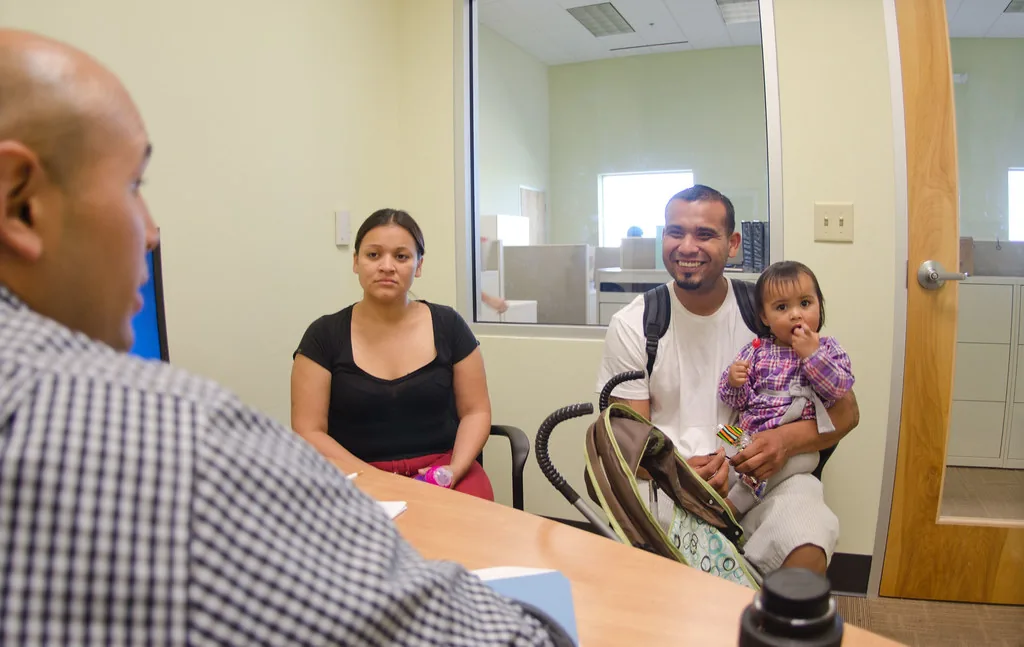
Here's what we've seen up close. Everyone knows a candidate needs a campaign manager, but few see what they're paying for. You aren't only paying for work. You're paying for their connections, their experience and what they know. Once you see that, it gets easier to pick a good one, because there aren't many good ones in Wisconsin. You can't throw a stone and hit a campaign manager. We've worked closely with a few, and where we see it go wrong is hiring just anybody to hold the title. Hire someone who has managed a race before, has a decent record in politics and knows the layout of your district. Districts across the state share a lot, but someone who doesn't understand Wisconsin politics, and especially Wisconsin politics, will cost you.
Good help can change a race. Our client Doug Diny ran for Mayor of Wausau in 2024 against a sitting incumbent, the mayor already in the job. He won with 52% and was outspent. Every race is different, and results vary.
What should be in writing?
Put the work, the price, the dates and who owns what in a signed agreement. Ask for it before you pay anything. A clear agreement protects you and the firm. If someone won't put the plan in writing, that tells you what working with them will be like.
Check each of these before you sign:
| In the contract | What to look for |
|---|---|
| The work | A list of what you get, in plain words, with dates |
| The price | One total or a clear monthly fee, and what's not included |
| Ad and print money | Whether it's paid by you or marked up by the firm |
| Ownership | Your domain name, website, photos, video and email lists are yours |
| Ending the deal | How either side can stop, and what you get if you do |
| Who does the work | Named people, not "our team" |
Always own your domain name yourself. Never let a builder, an agency or a friend own it for you. If they own it, they can hold your site, and your voters' first stop, hostage the week before the election.
A good rule is to read the contract out loud with a friend you trust. If either of you stumbles over a line, ask what it means.
How should you handle the money side?
Pay from your campaign account, keep every receipt and ask for bills that list each job line by line. Campaigns report what they spend, and for local races that report goes to the clerk who takes your papers, called the filing officer. Sample local filings list who was paid, for what and how much. If your records are messy, your reports will be too.
Here's what keeps it clean:
- One account. Pay all campaign bills from the campaign's bank account, never from a personal card.
- One invoice per job. Each bill says what the work was, who did it and when.
- A treasurer you trust. That's the person who keeps the books. Give them every invoice the day it arrives.
- No handshake deals. If it's not on paper, it's a problem later.
Rules for what you must report, and when, depend on your office. Ask your filing officer, the Wisconsin Ethics Commission and the Wisconsin Elections Commission what applies to your race before you spend the first dollar. We cover printed pieces in our paid-for-by article.
This is a short overview, not legal advice.
What are the red flags?
Walk away from anyone who says a win is sure, rushes you to sign, won't name their clients or won't say who does the work. Those are the four biggest warning signs. Politics has no sure things, and a good firm knows it and says so.
Watch for these:
- A sure win. No one controls the voters. Anyone who says they do is selling something.
- A big push to sign today. Good help gives you time to think.
- A pitch with no questions for you. They should want to know your district, your time and your goals.
- Fuzzy pricing. If you can't tell what you're paying for, you can't tell what you'll get.
- No one to call. Ask how you reach a real person fast on a bad day.
- One tool for everything. The same plan for a school board and a congressional seat is a template, not a plan.
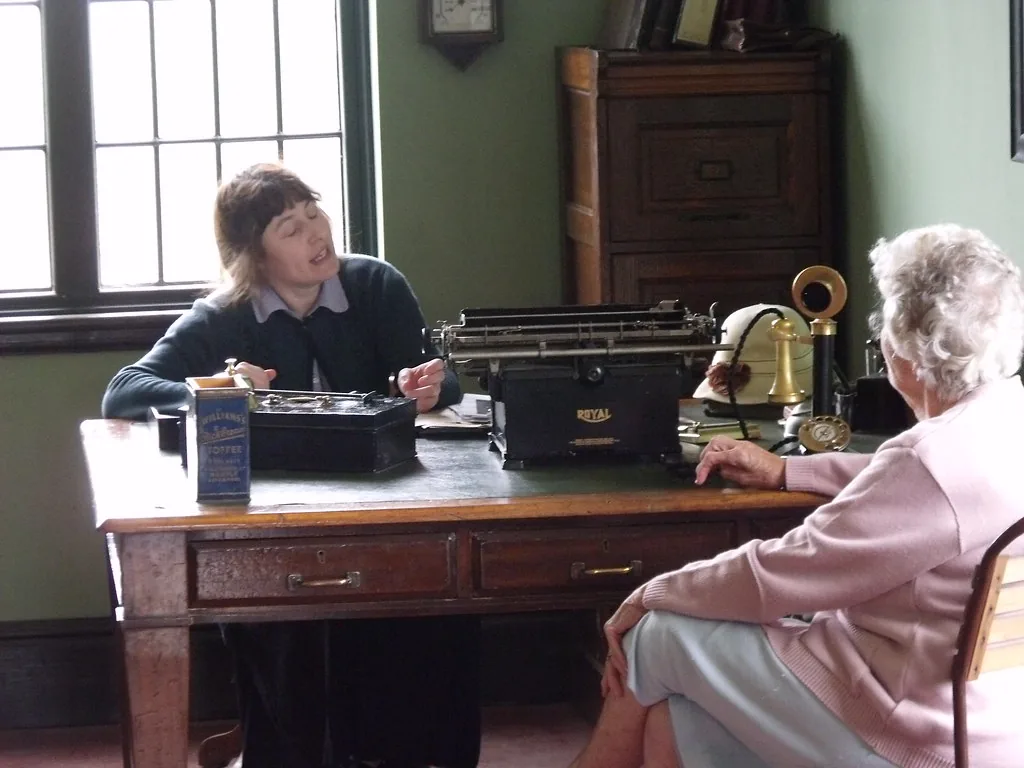
A good sign goes the other way. They tell you what they won't do, they point you to a smaller plan when that fits and they ask hard questions about your race. Hire the one who is straight with you, even if the pitch is less flashy.
What does a good first month look like?
A good first month has a plan, a calendar and early proof of work. By the end of week four, you should have a clear message, a live website, a list of who you need to reach and a rhythm of regular check-ins. If you only have promises by then, speak up.
A rough shape to expect:
- Week 1. A kickoff call, your goals, your deadlines and who does what.
- Week 2. Your message in one sentence and a first draft of your site or plan.
- Week 3. Photos, a sign-up box for your email list and a first round of your pieces.
- Week 4. Your first real push, like an announcement, and a talk about what to change.
Our articles on how to announce your candidacy and how to beat an incumbent show what a strong first month can build toward.
Ready to talk to us, or anyone, with your list in hand?
Print the questions above and take them to every call. The right firm will be glad you asked, and the wrong one will show itself fast. Whoever you pick, get the work in writing and keep your domain, lists and files in your own name.
We'd be glad to answer every one of these for you. Our team works with candidates at every level, from school board to Congress & governor, so book a free consultation and bring your list. You can also see more in our Strategy & Budget articles.
This is general information, not legal advice. Check what applies to your race with the state offices and your filing officer before you spend.
Quick answers before you hire
What is the difference between a political consultant and a campaign manager?
A consultant gives advice and a plan, and checks in along the way. A campaign manager runs the day-to-day work, the calendar and the team. Some firms do both. Pick based on how many hours you can give the race and how many helpers you already have.
When should you hire a political consultant?
Hire early, before your announcement and your paper deadline, so the plan comes first and the pieces follow. Help that starts in the last month has little time to work. For spring races, many candidates start in the fall.
Can a political consultant make sure you win?
No. Voters decide, and no one controls them. A firm that says a win is sure is a warning sign. Good help offers a plan, regular updates and honest advice, and tells you what it can't do.
Who should own your campaign website and domain name?
You should. Always own your domain name yourself, and never let a builder, an agency or a friend own it for you. Put it in your agreement, and keep the login in your own name.
Do small local races need a political consultant?
Not always. Many village, school board and city races do fine with a good website, a sign plan and a few strong helpers. A consultant helps most when you are short on time, new to running or up against a better-known name.
How do you check a political consultant's work?
Ask for two or three past clients and call them yourself. Ask what went well, what went wrong and whether they'd hire the firm again. Look at the sites, video and mail the firm made, and see if they sound like the candidate.
Fact-checked October 13, 2026 against the Wisconsin Ethics Commission's candidate committee materials and sample Wisconsin local campaign finance filings.
- Wisconsin Ethics Commission, campaign finance for candidates accessed Oct 13, 2026
- Wisconsin Elections Commission, local candidates accessed Oct 13, 2026
- City of Madison Clerk, sample local candidate campaign finance filings (Schedule 2-A lists each payee, purpose and amount) accessed Oct 13, 2026