Door Knocking vs. Phone Banking in Wisconsin
A knock on the door moves more votes than a phone call. But a Wisconsin spring race runs through the coldest, darkest weeks of the year. So the real question is what to do with the hours when you can't be on a porch.
 Tony Ruffi9 min read
 Add as a preferred source on Google
This guide lays out what the research says about doors and phones and how a Wisconsin winter changes the plan. It also shows how to run a phone bank that people don't hang up on. By the end of it, you'll have a weekly plan that puts every campaign hour where it does the most good.
Light, dark & the dial
Is door knocking or phone banking better for a local race?
Door knocking is better, talk for talk. Meeting a voter face to face moves more votes than a call, and the biggest tests back that up. Phone banking still has a job. It reaches people after dark, in bad weather and on roads too long to walk. Most campaigns should use both: the candidate on doors, volunteers on phones.
- Doors first. A real talk on the porch moves more voters than any other contact we use.
- Phones second. Calls fill the hours after dark and reach homes too far apart to walk.
- The candidate knocks. Every spare minute of daylight goes to doors, not to dialing.
- Volunteers call. Short, friendly calls from local people work far better than a paid call center.
- Winter sets the clock. It's dark around 4:30 p.m. in early January, so plan your evenings around the phone.
- Hand-dial cell phones. Autodialed or recorded calls and texts to cell phones need the person's OK first under federal rules.
What did the biggest test of doors and phones find?
It found that doors won by a wide margin. In a well-known test of about 30,000 voters, people who got a visit at the door were much more likely to vote. A mailer helped a little. Calls from a paid call center didn't help at all. Later tests found calls from volunteers can work when they sound personal.
The first study was run by two Yale professors, Alan Gerber and Donald Green, before the November 1998 election in New Haven, Connecticut. They used what's called a field experiment. Voters were split into groups at random, each group got a different kind of contact, and then the two men checked who voted. The messages had no party or candidate in them. They just asked people to vote. The result, in their words: turnout went up "substantially" from visits at the door, "slightly" from mail, and "not at all" from phone calls (Yale ISPS).
That isn't the end of the phone story, though. A few years later, David Nickerson tested eight phone drives run by volunteers in six cities. Those calls raised turnout by 3.8 points (American Politics Research, 2006). His take was that a call works when it's personal enough, meaning a real person who isn't rushing, talking like a neighbor.
So the lesson isn't "phones are dead." It's that a call has to sound like a person who cares, and a door still beats it.
Not sure how to split your hours between doors and phones? Our campaign consultants build that plan with candidates all over Wisconsin. The first call is free.
How do doors and phones stack up side by side?
Doors win on trust and on what you learn. Phones win on reach, speed and weather. Neither one is free, since both take people and time. Here is how they compare on a local Wisconsin race, based on what we see in the field. These are rules of thumb, not lab numbers.
| Door knocking | Phone banking | |
|---|---|---|
| How much one talk moves a voter | The most of anything we use | Less, and only when the call sounds personal |
| Best hours | Daylight, weekends and early evening | After dark, and weekday evenings |
| Weather | Snow, ice and cold slow you down | Doesn't matter |
| Homes far apart | Slow, lots of driving | Same speed as in town |
| What you learn | Yard signs, the street, the look on a face | Only what people say |
| Who should do it | The candidate, plus trained volunteers | Mostly volunteers |
| What you need | A walk list, a script and good boots | A call list, a script and a quiet room |
A walk list is the list of homes you plan to visit, put in order so you don't walk back and forth. A call list is the same idea with phone numbers. Both start from a voter list for your district. Our door knocking script covers what to say once someone opens the door.
Why does a Wisconsin winter change the plan?
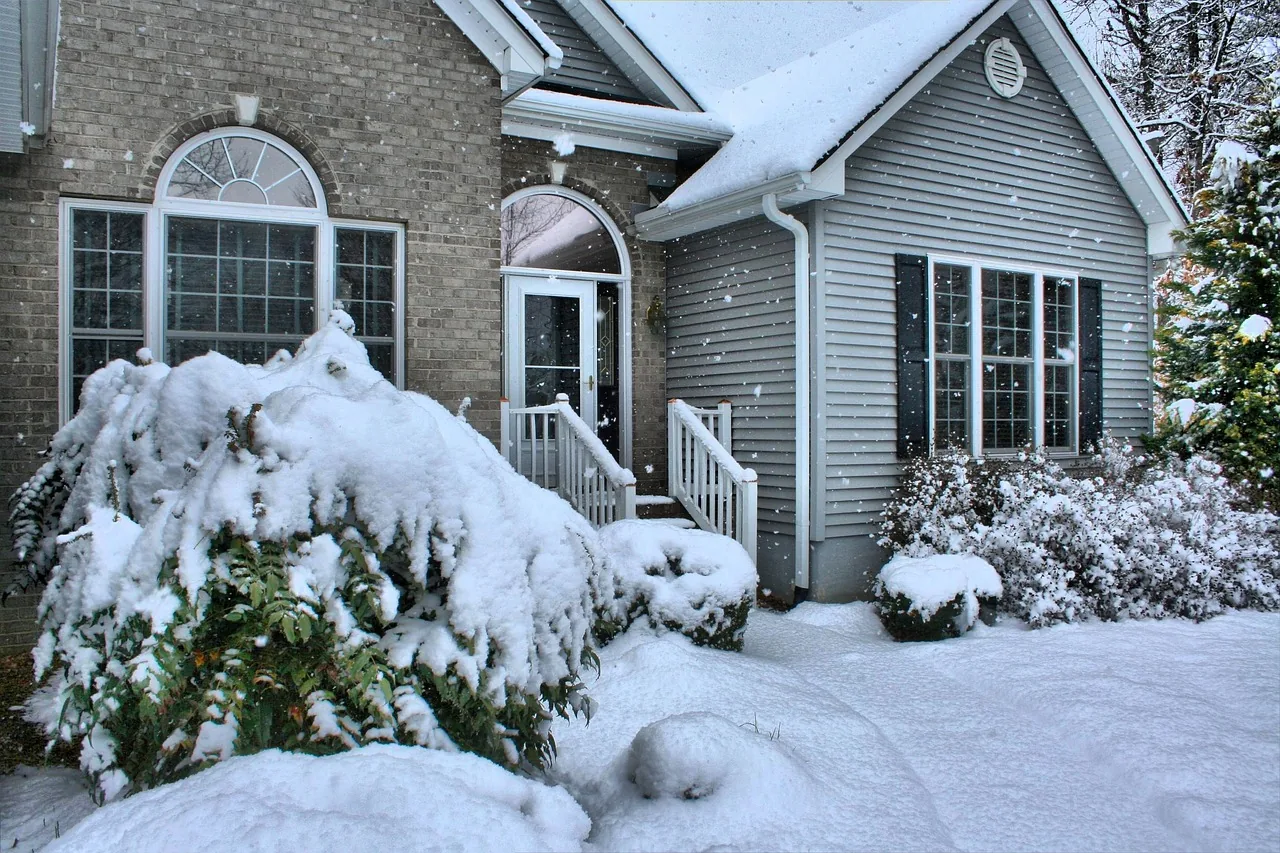
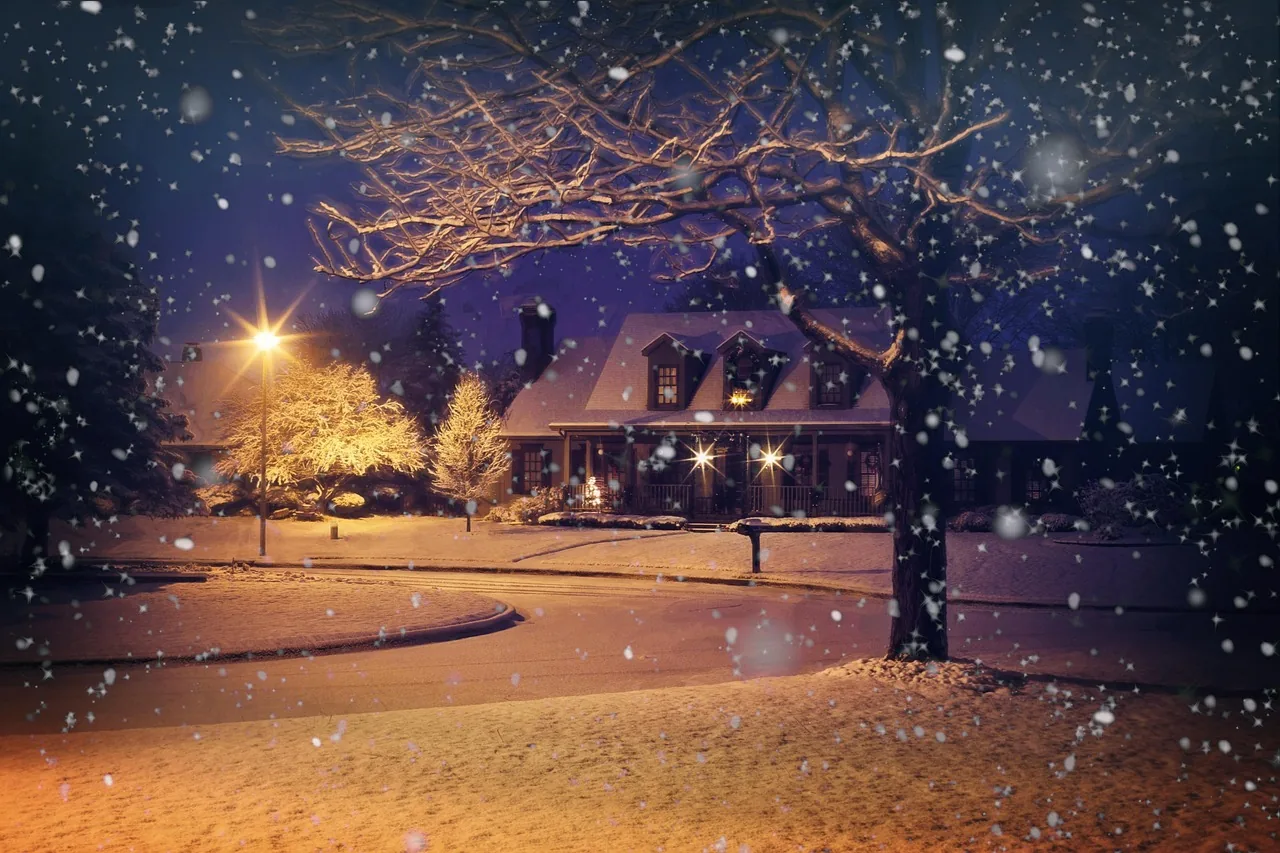
Because spring races are run in the dark. Wisconsin's spring election is in April, so most of the work happens from December through March. In southeast Wisconsin the sun sets around 4:30 p.m. in early January. That leaves only an hour or so of daylight after a normal workday, so evenings belong to the phone.
Look at the clock the way a voter does. Most people get home from work around 5 or 6. In January, that is already dark, and a knock on a dark porch in the cold gets a slower answer, if it gets one at all. Sunset times come from sunrise-sunset.org, and they're a little different in each part of the state.
So we flip the schedule in winter:
- Weekend days are for doors. Saturday and Sunday afternoons give you light, and people are home.
- Weekday evenings are for calls. From about 5 to 8 p.m., a warm room and a call list reach more people than a cold street.
- The candidate takes any free daylight. A long lunch, a day off, the hour before dark. Every spare minute goes to doors.
- Bad weather days move to the phone. When the roads are bad, nobody wants a stranger on the steps. Call instead.
By March the days get longer, and doors take back the evening. Check our list of Wisconsin spring election dates so you know how many weeks you have to work with.
How do you run a phone bank that sounds like a neighbor?
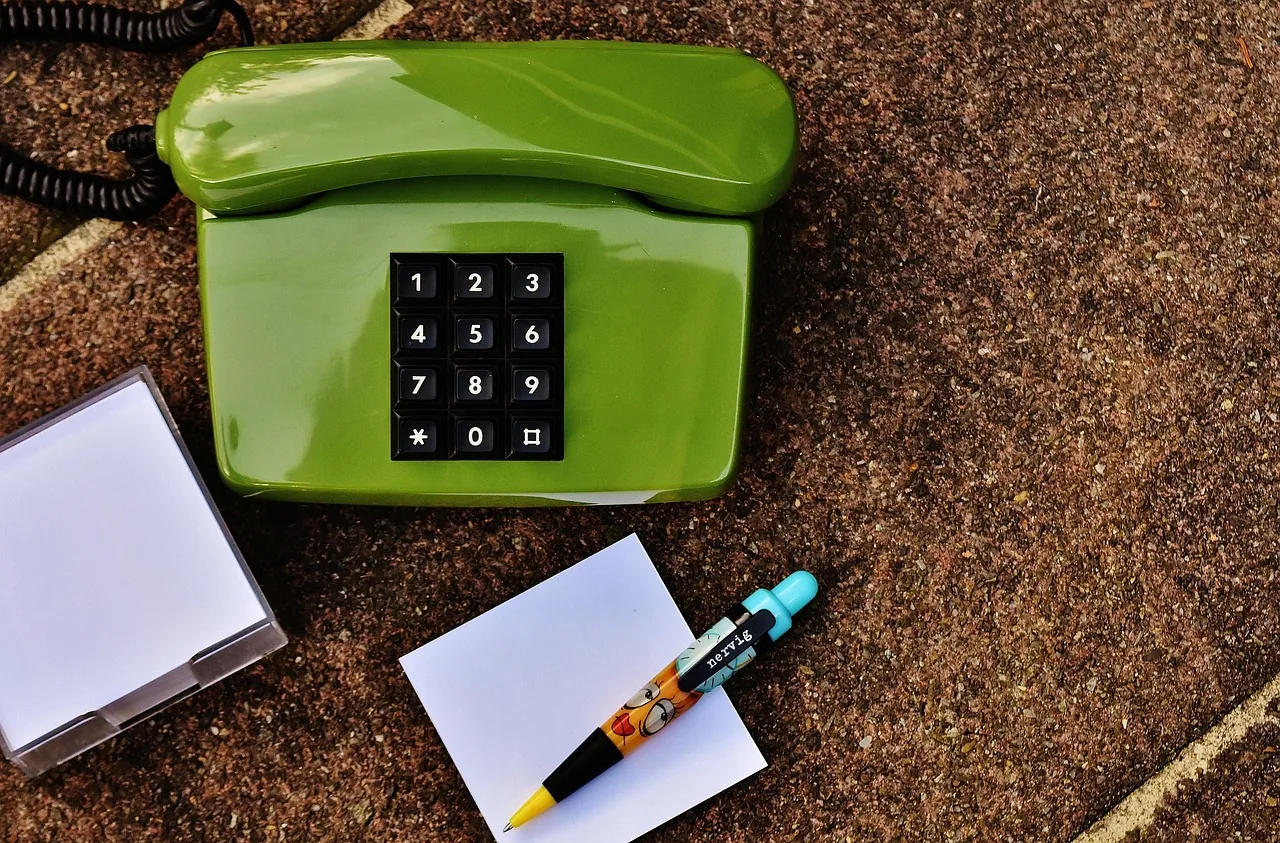
Keep the calls short, local and real. Use volunteers from the area, give them a script they can say in their own words, and make sure every call ends with one clear ask. A phone bank is just a group of people calling voters from one list at the same time, in one room or from home.
Here is how we set one up:
- Clean the list first. Take off numbers that are wrong, people who moved and anyone who asked not to be called.
- Write a script you can say in 20 seconds. Who you are, who you're calling for, one reason, one ask. "Hi, I'm Pat, I live over on Oak Street, and I'm calling for Sam, who's running for school board."
- Let callers use their own words. A script read word for word sounds like a call center, and that is the kind of call the tests found didn't work.
- Give a local reason, then ask one thing. Lots of calls near election day only ask "are you voting?" and get sent to voicemail. Say what the candidate wants to fix in town first, then ask: Can we count on you? Can I tell you where to vote? Pick one per call.
- Write down every answer. Mark who said yes, who said no and who wants a call back from the candidate. That list is gold.
- Call at decent hours. Weekday evenings and weekend afternoons. No early mornings, no late nights.
- Hand-dial cell phones. An autodialer is a machine that dials for you. Under federal rules, calls or texts made with one, and recorded messages, can't go to a cell phone without the person's OK first (FCC advisory). A real person dialing by hand is the simple way to stay clear.
Calling and texting rules change, so read the FCC's current rules for campaign calls and texts and talk to a lawyer before you use any calling or texting tool. This is a plain-English overview, not legal advice.
Who makes the calls? Mostly volunteers. Our article on finding and keeping campaign volunteers shows how to fill a phone bank night without burning people out.
What can an 18-vote race teach you about one more contact?
That one more talk can be the whole race. In 2025, one of our clients won a village president race by 18 votes, 1,528 to 1,510 (case study). With a margin that small, every door knocked and every call made was one of the 18. You never know which one it was.
Here's the thing about a close race: you only find out it was close after it's over. Nobody gets to go back in February and knock ten more doors. So we plan every local race like it will come down to a handful of votes, because sometimes it does.
When we weigh a call against a knock, the first thing we look at is who's calling and what they're saying. Around election time, people get a lot of calls that only ask if they plan to vote. Most of those go straight to voicemail, and plenty of those voicemails never get played.
A knock on the door is different. It gives you a real face-to-face talk with the person. For a local candidate, that's the chance to talk about what's going on in town, not just the national news people already hear every day. Local issues can be just as heated, but most people never get the chance to dig into them, because news about local stuff is hard to find. You can bring it right to their door.
How do you cover a seat too big to walk?
You walk where people live close together and call everyone else. In November 2026, Michael Alfonso won Wisconsin's 7th Congressional District with 56.1% of the unofficial vote. WPR describes the seat as about 18,000 square miles across 26 counties. On election night he said, "It takes a district to win a race."
You don't have to run for Congress to have that problem. A county board seat out in the country, a rural school district, or a town where the homes sit a quarter mile apart all work the same way. One candidate can't reach every door. The WPR report is a good reminder of how much ground one seat can cover.
Here is how we split a spread-out seat:
- Doors where homes are close. Villages, small towns and new housing blocks, where you can hit many doors in an hour.
- Phones where homes are far apart. Long country roads, lake roads and farms.
- Events where people already gather. Fish fries, church dinners and ball games put a lot of voters in one room.
- Mail and online ads to fill the gaps. They don't replace a talk, but they keep your name in front of people you can't reach.
Not sure how much to spend on each one? Our campaign budget article helps you set the money side.
Daylight for doors, dark for dials: a week that uses both
Plan the week around the sun. The candidate takes the light, the volunteers take the evening, and the list ties it all together. Here is a winter week we'd start with for a local spring race in Wisconsin. Move the hours to fit your job and your district.
| When | Who | What |
|---|---|---|
| Weekday lunch or day off | Candidate | Doors, as many as the light allows |
| Weekday evenings, about 5 to 8 | Volunteers | Phone bank from the call list |
| One weekday evening | Candidate | Call back everyone who asked to talk to you |
| Saturday afternoon | Candidate & volunteers | Doors, in teams of two |
| Sunday afternoon | Candidate | Doors in the closest neighborhoods |
| Sunday night | Campaign manager | Update the lists, plan next week |
In the last weeks of the race, the same plan turns into your get out the vote push. Our get out the vote article covers that stretch.
A campaign is really just a lot of small talks with real people, added up over a few months. Doors make those talks count the most. Phones make sure the dark hours count too. We plan these weeks with candidates in every part of Wisconsin, including the Northwoods, for any seat from school board to Congress & governor. Call 715-314-3250 or book a free consultation and we'll help you build yours.
Doors or dials? Your questions
Is door knocking better than phone banking?
Yes, for each talk. In a large test of about 30,000 voters, a knock at the door raised turnout a lot and calls from a paid call center did not move it at all. Phones still matter, because they reach people after dark and far away. Use doors first, then phones for the hours and places doors can't cover.
Does phone banking still work in 2027?
It can, if the calls sound like a real person. A study of eight phone drives by volunteers found the calls raised turnout by 3.8 points. Calls from paid call centers that rush through a script have done much worse in tests. Short, friendly calls from people in your own town work best.
How many doors can you knock in an hour?
It depends on how close the houses are. In town, with homes side by side, you can reach many more doors in an hour than on a country road where homes sit far apart. Track your own count for the first week. That number tells you how many hours you need for your whole list.
Can a campaign call cell phones?
Yes, a real person dialing by hand can call a cell phone. Under federal rules, calls or texts sent by an autodialer, and recorded messages, need the person's OK before they go to a cell phone. Read the FCC's current rules or ask a lawyer before you use any calling or texting tool. This is not legal advice.
Should the candidate make phone calls or knock doors?
The candidate should knock doors with every spare minute of daylight. Nothing else makes people feel they know you as fast. Let volunteers carry most of the calls. The one call only the candidate should make is the ask for money, plus a call back to anyone who asked to talk to you.
Does Bluejack help campaigns plan doors and phones anywhere in Wisconsin?
Yes. We work with candidates in every corner of the state, from the Northwoods to the Illinois line, on any seat from school board to Congress & governor. We help you build the list, split it into doors and calls, and set a weekly plan. Book a free consultation to get started.
Fact-checked November 12, 2026 against Gerber & Green's New Haven field experiment (Yale ISPS), Nickerson's 2006 volunteer phone call study, the FCC's political robocall enforcement advisory, WPR's 7th District results report, and the Bluejack Kronenwetter case study.
- Gerber & Green, "The Effects of Canvassing, Telephone Calls, and Direct Mail on Voter Turnout: A Field Experiment," American Political Science Review 94(3), 2000 (Yale ISPS abstract) accessed Nov 12, 2026
- Nickerson, "Volunteer Phone Calls Can Increase Turnout," American Politics Research 34(3), 2006 accessed Nov 12, 2026
- FCC Enforcement Advisory No. 2012-06, political campaigns and robocall rules (DA 12-1476) accessed Nov 12, 2026
- FCC, Rules for political campaign calls and texts accessed Nov 12, 2026
- WPR, Michael Alfonso wins northern Wisconsin district, November 2026 accessed Nov 12, 2026
- Sunrise and sunset times for southeast Wisconsin (sunrise-sunset.org) accessed Nov 12, 2026
- Bluejack case study, 2025 village president race won by 18 votes accessed Nov 12, 2026