
How to Announce Your Candidacy in Wisconsin
Your announcement is the first thing most people will ever hear about your race, and it gets said once. A little planning makes sure the first thing they hear is clear and sounds like you.
 Tony RuffiPublished Updated 10 min read
 Add as a preferred source on Google
This article shows you how to announce your candidacy in Wisconsin, in plain words. It covers when to do it, what to have ready, who to tell first, what to say and what to do in the three days after. By the end of this article, you'll have a short plan and two sentences to practice tonight.
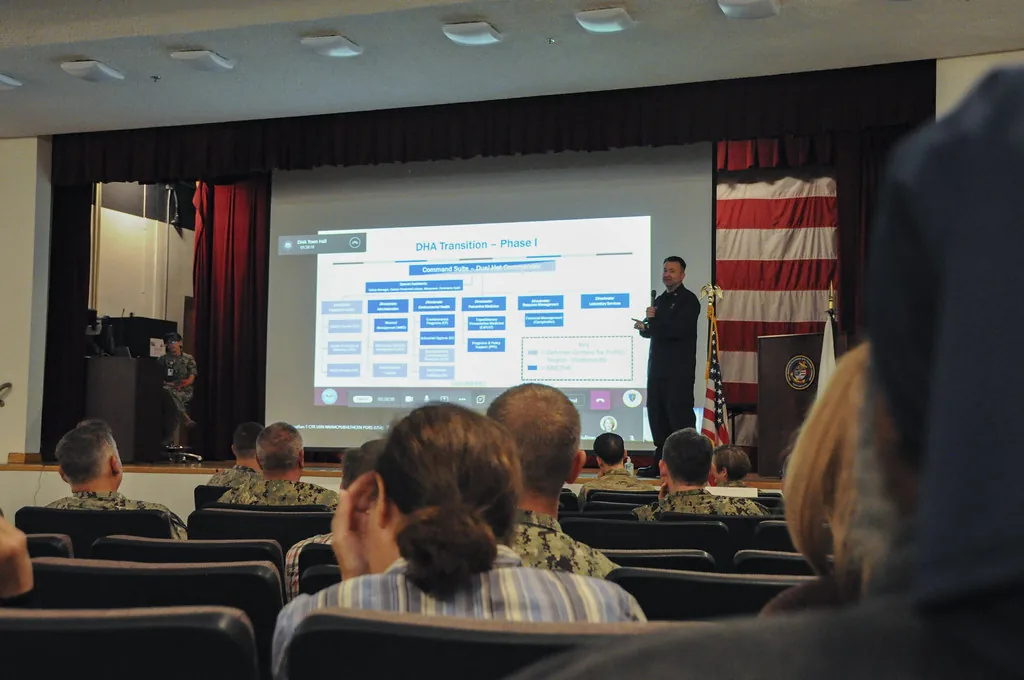
Where we're going
When should you announce your run in Wisconsin?
Announce once you are ready to act the next day. That means your papers are on track, your website is up and you have time to start work. The date matters less than being ready. A loud announcement followed by a quiet month wastes the attention you just earned.
- 1 minuteis about how long your announcement video or speech should run.
- 4 linesmake the whole message: your name, the office, why you are running and what you ask people to do.
- 5 groupshear it, in order: family, your close circle, your email list, social media and the local paper.
- 72 hoursafter the announcement are when you follow up, collect names and set your first weekend of door knocking.
- 1 addressshould sit on everything, which means one website, and you should own the domain name yourself.
Think about the calendar too. Spring races for city, village, school board and county seats have their paper deadlines in January, so many candidates announce in the fall or early winter. Check the dates for your office with the Wisconsin Elections Commission and your filing officer, which just means the clerk who takes your papers. Then count back from your deadline and give yourself room.
What has to be ready before you say a word?
Five things: a website with a sign-up box, a clean photo, a one-line reason you're running, a place to collect names and a plan for the first week. Without these, people hear your news and have nowhere to go. With them, every curious person turns into a name you can write to.
Use this as a short checklist:
| Have this ready | Why it matters |
|---|---|
| A simple website | It's where every link, sign and post sends people. Our campaign website article shows what to include. |
| A domain you own | Always own your domain name yourself. Never let a builder, an agency or a friend own it for you. |
| An email sign-up box | An announcement with no way to join the list loses most of its value. See our email list article. |
| One clear photo | News sites and Facebook will pick the first photo they find. Give them a good one. |
| One reason, in one sentence | If you can't say it plainly, no one will repeat it. |
| Your registration plan | Ask your filing officer when to register your campaign, since local candidates register before they raise or spend. |
A website is also where you get to tell your own story, in your own words, instead of letting a news story or an opponent tell it for you. That matters most on the first day, when people are searching your name for the first time.
Who do you tell first, and in what order?
Tell the people closest to you first, then widen the circle. Family and your close circle should hear it from you in person or by phone, before anything is posted. Then your email list, then social media, then the local paper. Nobody who matters should learn it from a post.
Here's the order we give first-time candidates:
- Family. Do this a few days ahead, and tell them what you'll be asking of them.
- Your close circle. A dozen or so people who will help from day one. Call each one.
- Your email list. Send it the morning of, with a link to your site.
- Social media. Post the same message and the video, and pin it to the top of your page.
- The local paper and radio. Send a short note with your photo, your one-line reason and a phone number.
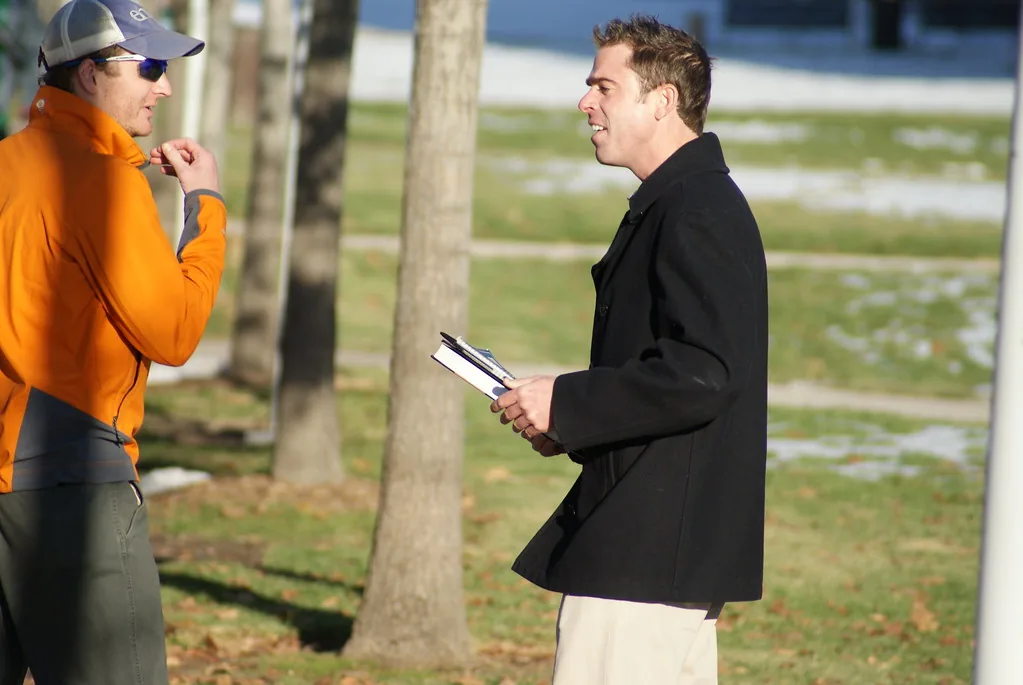
Notice that the news comes last. It's tempting to start with a press release, because it feels official. But reporters write about candidates who already have people behind them, and your first twenty supporters are what make a short story worth writing.
What should your announcement say?
Four lines: who you are, what office you want, why you are running and what you want people to do. Keep each line short, say it in your own words and stop. The goal is to be remembered, so one reason beats five, and a plain ask beats a speech.
Here is a fill-in shape to use as a starting point:
- Name and office. "I'm [name], and I'm running for [office]."
- Where you're from. "I've lived here [number] years, and I [work at / raised my kids in / volunteer with] [place or group]."
- One reason. "I'm running because [one change, in one sentence]."
- The ask. "If you want to help, sign up at [website] and come find me."
Say it out loud until it sounds like talking and not reading.
If it sounds like a press release, go back and take out the big words. The best announcements we've seen could be said across a kitchen table.

Do not use the announcement to list your issues, take a swing at anyone or tell your life story. You'll have months for all of that. Today you only need people to remember your name, the office and the one reason.
Which kind of announcement fits your race?
For a local race, a short video plus an email and a social post is enough. A small kickoff event adds a lot if you have a room and a dozen helpers. A big rally is for bigger races. Pick the format you can do well with the people you actually have.
| Format | Best for | Watch out for |
|---|---|---|
| One-minute video | Every race, since it lives on your site and your posts | A stiff, read-from-paper voice. See our video ideas article. |
| Small kickoff event | Candidates with a room and a group of helpers | Empty chairs. Invite by phone, not just by post. |
| Email and social post | Everyone, even with no money | Posting before your list and site are ready |
| Note to the local paper | Races where the paper covers local government | Sending a long release no one will read |
| Door-to-door start | Small districts where you can reach most homes | Having nothing to leave behind. See our door knocking script. |
Bigger races use the same pieces at a larger scale. In May 2025, Josh Schoemann, the Washington County Executive, launched his run for governor with a biography video and then a summer kickoff cookout in West Bend. A video people could share, plus a room full of supporters to meet. You can do both at any size. A school board candidate's version is a one-minute phone video and a living room full of neighbors.
If you want help with a launch video, we do that on our video production service page.
What do you do in the first 72 hours?
Follow up with every person who showed up or signed up, write down what they said, and book your first door-knocking weekend. The days right after an announcement are when interest is highest. By day four it's fading, so use it while people are still curious.
Here's the plan:
- Day 1. Thank every person by name. Send a short note to your list with a link to the video and one thing they can do today.
- Day 2. Ask five supporters to share the post, one by one, by name. A direct ask works better than a general request.
- Day 3. Pick your first weekend to walk, and tell your helpers. Any free time you have after this goes straight to knocking doors, every spare minute you can find.
Write down each question you were asked. If three people asked about the same thing, that's what goes in your next email.
Here's what we've seen first-time candidates get right and wrong on announcement day. The best thing you can do is make it public and make sure people are there: friends, family, neighbors and supporters. Make it look like a big deal, because it is one. Say you invite the local paper, TV or radio station. Then the room holds your spouse, one kid (the other has soccer practice) and a single family friend. That doesn't look good. If you can't get people to show up for your announcement, how will you get them to show up and vote? Fill the room first, then call the press. Brent Jacobson won a 2024 State Assembly seat with 66%, and every one of those votes started with someone who showed up.
The other slip is talking too long. Think of a great speech from a movie. You want a solid speech, not a tiny one, but one that leaves people feeling inspired. Not everyone wants to stand there for 20 minutes while you list problems. We tell candidates to keep it to three to five minutes: what you'll do, why you're doing it and how you'll make it happen. People want to feel energized, so give them that.
What rules touch an announcement?
Not many, but the ones that apply are worth checking. Saying you plan to run costs nothing. Raising or spending money for the race comes with state rules. So does printing anything that asks people to vote a certain way. Confirm both with your filing officer before you spend.
- Registration. According to the Wisconsin Ethics Commission's materials, a candidate registers a campaign committee before taking in or spending money, with a few limited exceptions. For a local race, you file with your local filing officer. Ask when to register, and do it before the kickoff costs you anything.
- "Paid for by" lines. Printed pieces and paid ads that push a vote often need one. Our paid-for-by article walks through it.
- Your papers. The announcement doesn't replace your Declaration of Candidacy, the form that says you're running, or your nomination papers, the signed pages that put you on the ballot. Keep your deadline on the calendar.
This is a short overview, not legal advice. Rules and forms change, so confirm the specific requirements for your race with the Wisconsin Elections Commission, the Wisconsin Ethics Commission and your filing officer.
Where do announcements go wrong?
The usual slips are announcing before anything is ready, saying too much and letting close friends find out online. They're all fixable with a little order. Most of them come from rushing, because the excitement of finally saying it out loud makes people skip the plan.
- Announcing with no website. People search your name and find nothing. That's a missed first impression you don't get back.
- Burying the ask. A great speech with no "sign up here" gives people nothing to do.
- Telling the paper first. Your own people should never read it before you tell them.
- Too many reasons. Pick the one. Add the others later.
- Going dark after. A good start followed by two quiet weeks tells voters you're not serious. Plan your first month of posts and doors before day one. Our guide on how to beat an incumbent has a week-by-week plan.
- Sounding like a politician. Use the words you'd use with a neighbor.
Draft your first two lines before bed
You don't need a stage or a budget tonight. You need two sentences, and you can write them in five minutes. Fill them in, read them out loud and change anything that sounds like someone else.
I'm ______, and I'm running for ______. I'm running because ______.
Put that on a card and carry it. Say it to your family this week, and to your close circle next. If it still sounds right after ten tellings, it's ready to go on camera.
Once you have it, we can help with the rest, from the site to the video to the plan for the first month. Our team works with candidates at every level, from school board to Congress & governor, so book a free consultation and bring your two lines. More [Candidate Fundamentals articles] are one click away(/blog/category/candidate-fundamentals).
This is general information, not legal advice. Before you act, ask the Wisconsin Elections Commission, the Wisconsin Ethics Commission and your filing officer what applies to you.
Last-minute announcement questions
Do you have to announce before you file your papers?
No. An announcement is something you choose to do, and filing is something the state asks of you. Many candidates announce first, then file. Others file first and announce later. Whichever you pick, make sure your deadline for papers is on your calendar, because the announcement does not replace it.
Can you announce before you register your campaign with the state?
Saying you plan to run is one thing, and taking or spending money for the race is another. Wisconsin asks local candidates to register a committee before they raise or spend, with a few limited exceptions. Ask your filing officer when to register, and do it before the announcement event costs you money.
How long should an announcement video or speech be?
Aim for about one minute for a video and two to three minutes for a speech. Say your name, the office, why you are running and what you ask people to do. If you can't say it in one minute, you probably have two ideas and need to pick one.
Should you announce on Facebook, by email or in the paper?
Use all three, in order. Tell your inner circle first, send your email list second, post on social media third and send a short note to the local paper last. That way the people who care most hear it from you before they read it somewhere else.
What if nobody comes to your kickoff event?
Plan for a small room and make it work. Ten people who came because you asked are worth more than a hundred strangers. Take a photo, collect names for your email list and send the update to everyone who couldn't make it.
Last updated . Fact-checked October 12, 2026 against the Wisconsin Ethics Commission's candidate committee materials and two news reports on a 2025 Wisconsin governor's race announcement.
- Wisconsin Ethics Commission, Lifecycle of a Candidate Committee (registering before you raise or spend) accessed Oct 12, 2026
- Wisconsin Elections Commission, local candidates accessed Oct 12, 2026
- FOX6 Milwaukee, Wisconsin governor race, Republican Josh Schoemann announces campaign accessed Oct 12, 2026
- Josh Schoemann for Governor, kickoff of the 2026 campaign accessed Oct 12, 2026