
How to Build a Campaign Platform in Wisconsin
Voters want to know one thing before they give you their vote: what will you do with the job? Your platform is the answer, and a good one fits on a card in your pocket.
 Tony Ruffi10 min read
 Add as a preferred source on Google
This guide walks you through how to build a campaign platform for a Wisconsin race, from the first talk on a porch to the words you say at a forum. By the end of it, you'll have three issues, a plan for each, and a way to test them on real voters this week.

Listen, choose, say it
What is a campaign platform?
A campaign platform is the short list of things you plan to work on if you win, and why. It is not a long paper. For a local race in Wisconsin, it is usually three issues, each with a plain plan and one reason you care. It should fit on a palm card and in a 30-second talk at the door.
- A platformis the short list of things you will work on if you win, and why.
- Three issuesis the number we start with for local seats. More than that, and voters forget them.
- Every issueneeds a plan in one sentence and one reason you care.
- The seat has to fit the issue.A school board can't fix a county road.
- Voters write your list.Your best issues come from doors, coffee shops and board meetings, not from TV.
- The same three wordsshould show up on your card, your website, your speech and your mail.
How many issues should a local candidate run on?
Run on three. That is enough to show you have thought about the job, and few enough for a voter to repeat to a neighbor. You can still answer questions on other topics. But when someone asks why you are running, three is the list you give, every time, in the same order.
Why three and not ten? A voter at the door gives you about a minute. In that minute, one issue sounds thin and five sounds like a list nobody will remember. Three gives you a strong first point, a second point to back it up, and a third that shows you see the bigger picture.
Most campaign guides we read say three to five. We push our candidates to the low end. A race for school board, city council or village board is won by people who can say your issues back to you. That only happens with a short list.
How do you find out what voters care about?
Ask them, and then listen more than you talk. Knock doors, sit in on board meetings and read the local paper. Ask people at church, the gym and the ballpark what bugs them about the town. Write down every answer. After a few weeks, the same three or four things will keep coming up.
Here is how we do it with candidates:
- Start a running list. Keep a note on your phone called "What I heard." Every time someone names a problem, add it, with the street or the place you heard it.
- Knock doors with every spare minute you have. Not a couple of hours a week. Any free time goes to doors, because nothing else tells you as much. Our door knocking script gives you the words for the first ten seconds.
- Go to the meetings. Sit in on the board or council you want to join. Watch which topics fill the room and which ones get a vote with nobody there.
- Read the agenda and the budget. The agenda is the list of what each meeting will cover, so it shows what the board is working on now. The budget shows where the money goes, and that is where most fights start.
- Count, don't guess. After two or three weeks, add up how often each issue came up. The top of that list is where your platform starts.
You will hear things you didn't expect. That is the point. A candidate who walks in sure of the top issue often finds out the street cares more about something else.
Want help picking the three issues that fit your race? Our campaign consultants work with candidates all over Wisconsin. Your first call is free.
Can the seat you want fix the issue?
Only run on what the seat can do something about. Each local board has its own job, and voters notice when a candidate promises something the office can't deliver. Before an issue goes on your card, find out who really makes that call. Your clerk and the board's own website can tell you what it controls.
Here is a quick way to sort the list you heard at the doors. These are common examples, not a full list, and every town is set up a little differently.
| What you heard at the door | Who usually decides it | Good fit for |
|---|---|---|
| "Our school needs more teachers." | The school board, through its budget | School board |
| "Taxes keep going up." | Each board sets its own part of the tax bill | Any local seat, with care |
| "That road is falling apart." | City, village, town or county, depending on the road | The board that owns that road |
| "Downtown has too many empty stores." | City or village council, through zoning and planning | City council, village board |
| "Prices at the store are too high." | Mostly national forces, not a local board | Not a local platform issue |
Taxes are the tricky one. A school board, a city and a county each set their own piece of the tax bill. So "lower taxes" only works on your card if you can say which part of the bill you would work on.
When an issue doesn't fit the seat, you can still care about it out loud. Just don't make it one of your three.
How do you turn an issue into a plan people remember?
Give each issue three parts: the problem in the voter's own words, what you will do about it, and one fact that shows you mean it. Keep each part to one sentence. If you can't say it in under 20 seconds, it is too long for a door, a forum or a mailer.
Here is the shape we use. Fill in your own words, not ours.
| Part | What it does | Sample |
|---|---|---|
| The problem | Shows you heard them | "Parents tell me the bus routes changed twice this year." |
| Your plan | Says what you'll do | "I'll ask the board to set routes before school starts and keep them." |
| Your proof | Shows why you can | "I've driven a route for six years, so I know where it breaks down." |
Those samples are made up to show the idea. Use only what is true for you.
A few rules make the plan stick:
- Use numbers you can back up. A number is easy to remember. It is also easy to check, so it has to be one you can stand behind.
- Use the words voters used. If people at the door say "potholes," don't call it "road investment."
- Lead with your best one. Your first issue should be the one you heard most and know best.
- Say the same thing everywhere. Put the three issues on your website, in your stump speech and in your bio, in the same order.
What can a 250,000 jobs promise teach a Wisconsin candidate?
It shows how much a clear number sticks. In his 2010 race for governor, Scott Walker said again and again, in speeches and ads, that private employers would add 250,000 jobs in his first four-year term. He won with about 52% of the vote. The number became the line almost everyone knew from his race.
It also shows what happens to a number after you win. PolitiFact Wisconsin, a fact-check team, tracked the pledge for four years. They first marked it "stalled," then "broken" in 2014. Their May 2015 count said the state added about 127,500 private jobs over the term, a little more than half of the goal. In a 2014 check, they also rated his point that it was a "big goal" as mostly true.
We take two lessons from it, and both apply to a school board seat as much as a governor's race. A clear number gets remembered, so use one when you have it. And people will hold you to it, so pick a number your seat can really move. The results come from Ballotpedia.
What did a brand-new Assembly district teach us about a platform?
A new district means nobody knows you yet, so your issues have to travel. In 2024, Brent Jacobson ran in a new Assembly district made of four counties that had never voted together. We ran his online work, from social media to video. He won the August primary, an early vote that decides who moves on to November, with 75% and the November race with 66% of the vote (case study).
What we saw: voters in each county wanted to hear from someone who knew their part of the district, not just a set of talking points. So the same main message went out in all four counties, and the stories under it came from each place. One platform, told with local proof.
That is the same idea for a city council seat with three wards, or a county board seat that covers a few towns. Keep the three issues the same everywhere, and change the example to fit the room.
In every kind of race we work on, we see the same thing at the doors. Candidates often come ready to talk about the big national fights, like being for or against gun control, or for or against abortion. It's good that you have an opinion on those. But what people truly care about is what affects them, and what affects them is the money they pay and what happens in their own community.
So the questions that land are closer to home. How are your property taxes? Did the price of water in town go up or down? Are you worried about an AI data center coming into your community? Do you feel like the government isn't working with you or for you? A local official can do something about those right away, and when one gets fixed, people feel the stress come off their shoulders. The hot-button fights will be argued for a long time. Lower property taxes are progress people can feel and be grateful for.

What should stay off your platform?
Leave off anything the seat can't change, anything you can't explain in one breath, and any attack on a person. Your platform is about what you will do. If an issue only works as a shot at the other side, it belongs nowhere on your card. Voters in local races want someone who will fix things, not pick fights.
Here is what we cut most often:
- National fights. Spring races in Wisconsin, like school board, city council and judge, are nonpartisan, which means no party name is printed next to yours on the ballot. Voters still care about values, but a local platform should be about local work. Ballot rules can change, so check the details with the Wisconsin Elections Commission and your filing officer. This is a plain-English overview, not legal advice.
- Promises the seat can't keep. If the state sets it, a village board can't change it.
- Words nobody says out loud. "Fiscal responsibility" means nothing at a door. "I'll read every line of the budget before I vote on it" does.
- Ten issues. If everything is a top issue, nothing is.
- Things you haven't checked. If you quote a number about the budget or the schools, have the page it came from. Someone will ask.
If you are new to all of this, our article on running with no experience helps you find your reason to run, which is where a platform starts. And when you face a crowd, our forum prep article shows how to bring every answer back to your three issues.
Three issues, one card, one week of doors
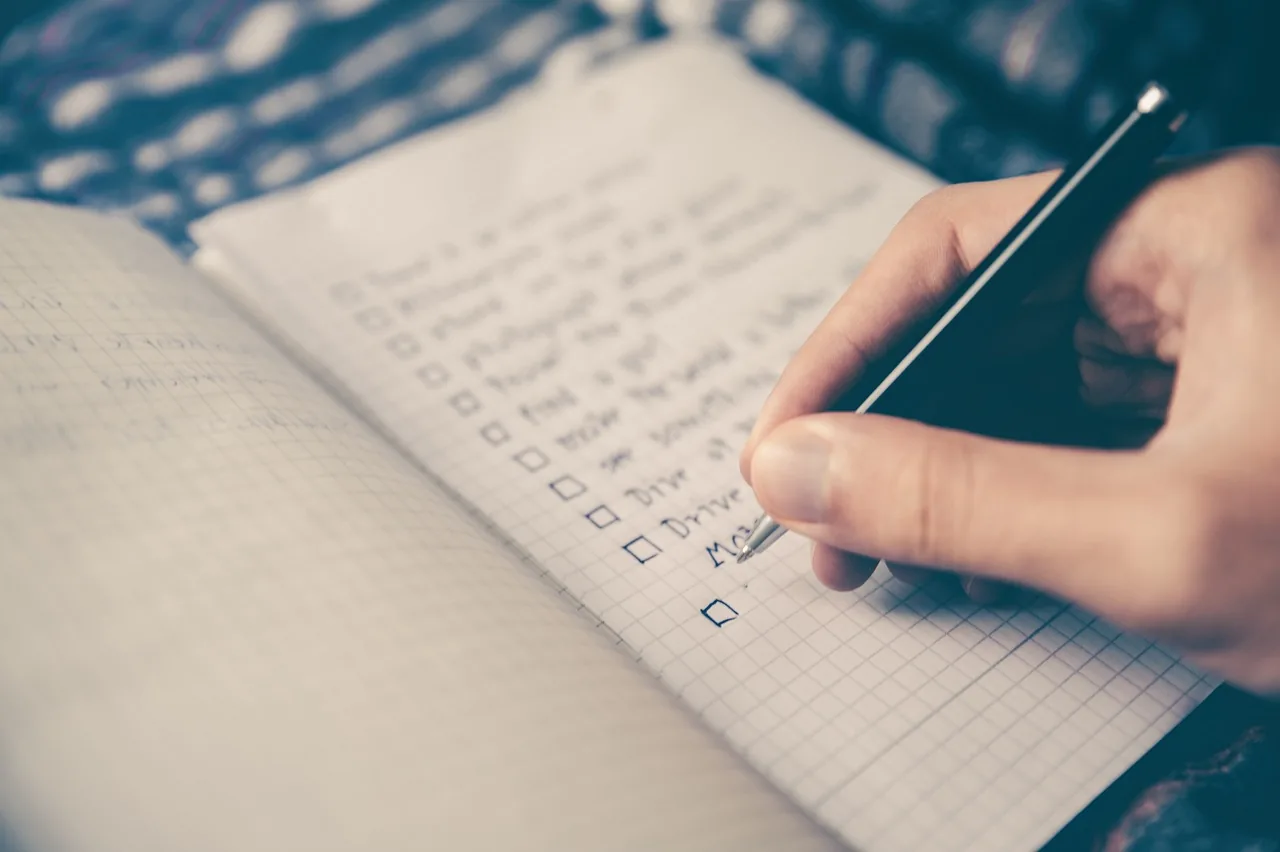
Write your three issues on an index card, one line each, and carry it for a week. Say them at every door. Each night, mark which one made people nod and which one got a blank look. By Friday you will know which to keep, which to sharpen and which to swap.
| Day | What to do |
|---|---|
| Monday | Write the card. Problem, plan and proof for each issue, in one line each. |
| Tuesday to Thursday | Knock doors and say all three. Mark a check for each nod, an X for each blank look. |
| Friday | Count the marks. Keep the winners, rewrite the weak one. |
| Weekend | Put the final three on your website and in your campaign plan. |
Your platform will keep growing as you listen. That's fine, as long as the three stay clear. We work with candidates in every part of Wisconsin, from the Northwoods down to the Illinois line, on any seat from school board to Congress & governor. Want us to look over your card? Call 715-314-3250 or book a free consultation.
Platform questions from the trail
How many issues should be on my campaign platform?
We start local candidates with three. That is enough to show you know the job and few enough for a voter to repeat to a neighbor. You can still answer questions on anything, but when someone asks why you're running, give the same three, in the same order.
Should I talk about national issues in a local race?
Keep your platform local. Spring races like school board and city council in Wisconsin are nonpartisan, so no party name is printed next to yours. Voters still care about your values, but they want to know what you'll do with this seat, like the budget, the roads or the schools.
What if I don't know much about an issue yet?
Learn before you put it on your card. Go to the board meetings, read the agenda and the budget, and ask people who work in that area. Until you can explain the problem, your plan and one fact in a few sentences, keep it off your list of three.
Can I change my platform during the race?
Yes, and many candidates should. Your first list is a guess. After a few weeks of doors, you'll hear what people really care about. Swap an issue if it gets blank looks, but once your card is printed and your site is up, keep the core three steady.
Where should my platform show up?
Everywhere a voter meets you. Put it on your website, palm card and mailers, in your speech and your forum answers, and in what you say at the door. Use the same three issues in the same words, so people hear one clear message no matter where they find you.
Can Bluejack help me build a platform anywhere in Wisconsin?
Yes. We work with candidates all over the state, from the Northwoods to the Illinois line, on every seat from school board to Congress & governor. We help you find your issues, put them in plain words and get them in front of voters. Book a free consultation to start.
Fact-checked November 11, 2026 against PolitiFact Wisconsin's Walk-O-Meter and 2014 fact check on the 250,000 jobs pledge, Ballotpedia's 2010 Wisconsin governor results, the Bluejack Brent Jacobson case study, and Bluejack field practice.
- PolitiFact Wisconsin, Walk-O-Meter, "Create 250,000 new jobs" accessed Nov 11, 2026
- PolitiFact Wisconsin, "Scott Walker says his 250,000 jobs promise was a big goal," October 30, 2014 accessed Nov 11, 2026
- Ballotpedia, Wisconsin gubernatorial election, 2010 accessed Nov 11, 2026
- Bluejack case study, Brent Jacobson, Wisconsin State Assembly District 87, 2024 accessed Nov 11, 2026
- Wisconsin Elections Commission, candidate information accessed Nov 11, 2026