
5 Things I Tell Every First-Time Candidate in Wisconsin
A first campaign is mostly small choices that nobody warns you about. The big ideas, like your message and your name, usually turn out fine. It's the little things that cause trouble.
 Tony Ruffi6 min read
 Add as a preferred source on Google
We've helped a lot of first-time candidates across Wisconsin, and we say the same five things to nearly every one of them. This article puts them in writing so you can read them before you file, and again when the race gets busy.
The five, in order
What do we tell every first-time candidate?
We tell them five things: collect about 20% more signatures than the minimum, own your domain name, use every spare minute to knock on doors, sweat the little things, and tell your own story on your own website. None of them cost much. All of them are easy to skip.
- Collect about 20% more signatures than your office asks for
- Register your domain name yourself, in your name
- Spend every free minute at a door
- Check the small stuff twice, because races are close
- Let your own website tell your story before the news does
Here is the whole list on one page, with the reason behind each habit.
| Habit | Why it matters | When to do it |
|---|---|---|
| 20% extra signatures | Covers names that get thrown out | Before papers go in |
| Own your domain | No one else can move or drop your address | The week you decide |
| Every spare minute at a door | Voters remember a person | Starting now, until election day |
| Check the small stuff twice | Close races turn on one slip | On every sign, form and mailer |
| Tell your own story | You speak before the news does | Before you announce |
Why should you gather 20% more signatures than you need?
Because some signatures get thrown out, and you won't know which ones until it's too late. Our rule is to turn in about 20% over the minimum for your office. That cushion keeps you on the ballot if a few names are not good or if someone files a challenge.
Nomination papers are the pages voters sign to put you on the ballot. How many names you need depends on the office, so ask your filing officer, which is the clerk or agency that takes your papers, before you start. Then add the cushion. Our article on nomination papers shows what can knock a signature out and how a challenge works.
Whose name belongs on your web address?
Yours, always. Your domain name is the web address people type to find you, such as janedoeforschoolboard.com. If a builder, a friend or an agency owns it, they decide where it points and whether it renews. A candidate who can't log in to their own address has handed away something that every sign and mailer points to.
Register it yourself with your own email and your own payment, or your committee's. Then give your helper access to work on it. The free ICANN lookup tool shows who owns any address today. Doing the work and owning the name are two different things. Our article on choosing a campaign website builder has the questions to ask before you hire anyone.
What should you do with every spare minute?
Knock on doors. Not a couple of hours a week, but every free minute you have. A voter who meets you at the door remembers a person, and a voter who only sees a sign remembers a name. In a local race, that gap is often the whole game.
Think about where you start. Brent Jacobson, who we worked with in 2024, ran in a newly created Assembly district and won 66% of the vote. A new district means most voters have never heard your name, and every one of them has to hear it from somebody. Our door knocking script gives you the words for that first thirty seconds.

Do the little things really matter in a local race?
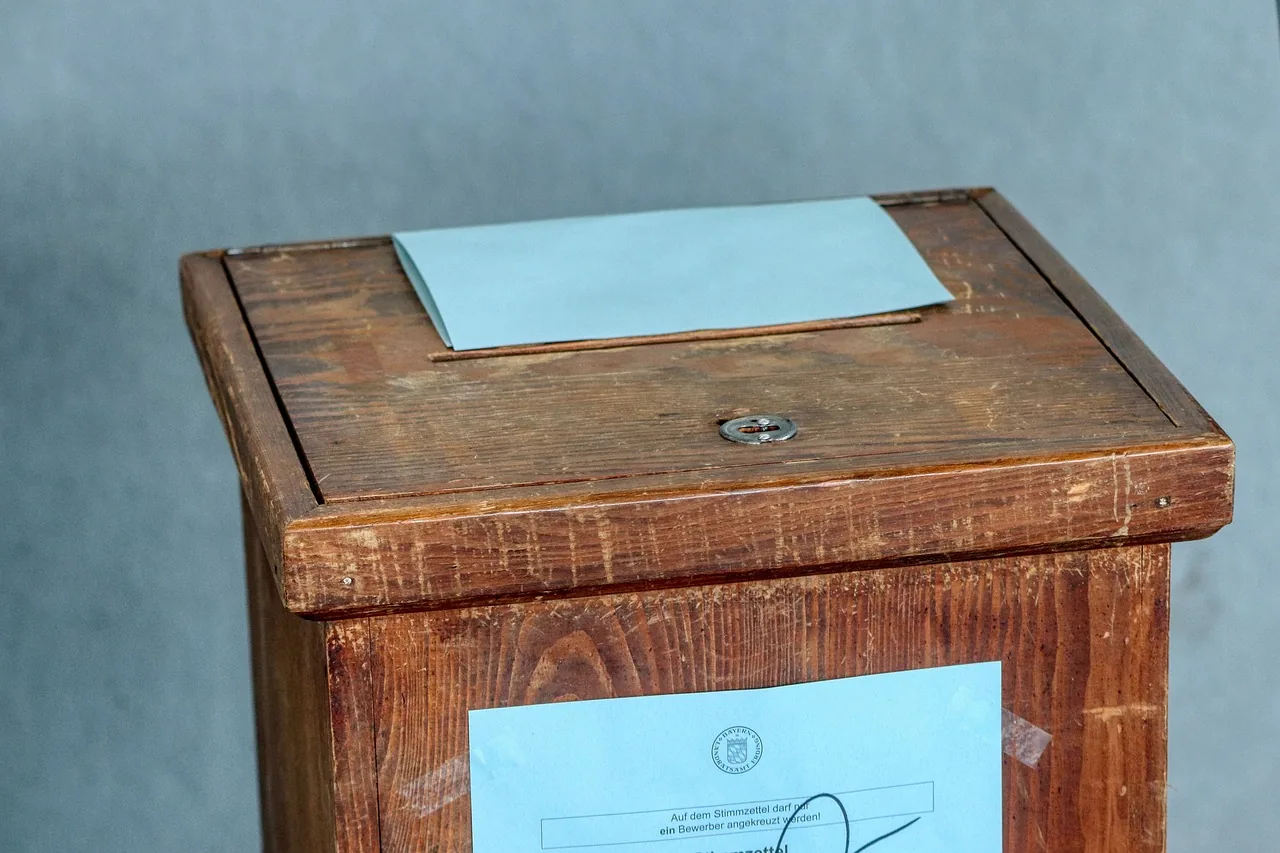
Yes, because local races are often close. One of our candidates won a 2025 village president race by 18 votes. That's 18 people. A missed door, a late mailer or a sign that blew down can be the whole margin.
It happens at every level. After the 2017 election for a seat in the Virginia House of Delegates, a recount and a court ruling left Delegate David Yancey and his opponent tied. On Jan. 4, 2018, state officials settled it by drawing his name out of a bowl, as reported by the Associated Press and CBS News. That one seat decided which side held the chamber.
So check the small stuff twice: the spelling of your name on every sign, the "Paid for by" line on every piece (the Ethics Commission's attribution page says what applies), the date on every form, and the phone number on your palm card. Our article on the Wisconsin "paid for by" rules is a good place to start.
Why tell your own story on your own website?
Because voters will look you up, and the first page they see should be yours. A website lets you say what you want about yourself and control the story, instead of letting the news take you for a ride. You get to be the first voice they hear.
Say what you believe and show who you are. Put a clear photo of your face, a short bio in plain words, your top three reasons for running, and a way to reach you. Our guide to a campaign website lists what else goes on the page.
What do first-timers get wrong most?
Most first-timers get the same few things wrong: they wait too long to start, they try to do it all alone, and they spend money before they have a plan. Here is one that Tony has seen up close.
The biggest one we see is taking too long to pick a team. Many first-timers spend the whole first month auditioning people, and by then it's too late. Good political marketing firms like ours only take so many clients, and we work with you or with your opponent, not both. So whoever reaches out first gets us. Put a firm through the wringer and most won't take it kindly. They'll just go work with someone else.
This isn't like business, where you have until tomorrow to decide. Pick your team, ask around about them, make sure you like them, and then pull the trigger. After that, trust them. You can't hang back and wait and see, because by then the best people are taken. Make decisions fast and be comfortable with them. And if you're not comfortable with the people you brought on, get new people.
A few more slips come up again and again:
- Waiting for permission. Nobody hands you a go-ahead. Pick the date you'll start and start.
- Doing it all alone. One helper you trust beats ten volunteers who never show up.
- Spending first and planning later. A one-page plan comes before the first sign order.
- Skipping the written list. Write down who owns the domain, who holds the logins and who has the papers.

Do this before tomorrow ends
Three jobs, in this order:
- Call your filing officer and ask how many signatures your office needs and when papers are due.
- Buy your domain name yourself.
- Put one hour on your calendar this week for doors, then add another.
We work with candidates across all of Wisconsin, the Northwoods included, from school board to Congress & governor. If you'd like a team that does these things with you, our consulting team can help. Book a free consultation or call 715-314-3250, and browse more Field Notes.
This article is general information, not legal advice. Rules change and they differ by office. Before you file or print anything, confirm the specific requirements with the Wisconsin Elections Commission, the Wisconsin Ethics Commission and your filing officer.
Last questions before you jump in
How many signatures should a first-time candidate collect?
Ask your filing officer how many your office needs, then collect about 20% more. Some signatures get thrown out, and the cushion keeps you on the ballot. The minimum depends on the office, so check before you start.
Who should own my campaign domain name?
You or your committee should, never a builder, an agency or a friend. The owner decides where the address points and whether it renews. Register it yourself, then give your helper access to work on it.
How much should a first-time candidate knock doors?
Every spare minute you have. A couple of hours a week is a start, but any free time should go to a door. Voters remember a person they met far longer than a name on a sign.
Can a local race really come down to a few votes?
Yes. One of our candidates won a 2025 village president race by 18 votes, and a Virginia House seat in 2017 ended in a tie that officials settled by drawing a name from a bowl.
Do I need to hire help for my first race?
Not always. Many first-timers start with a few people they trust and add help for one job when the plan gets bigger than their free time, like mail, video or a website. Whoever helps, write down who owns each task, and keep the domain name and the logins in your own hands.
Fact-checked October 31, 2026 against reporting by the Associated Press and CBS News on the 2018 Virginia House drawing.
- ICANN Lookup, find who registered a domain name accessed Oct 31, 2026
- Attribution/Disclaimer Requirements, Wisconsin Ethics Commission accessed Oct 31, 2026
- The Latest, Republican wins race when name pulled from bowl, Associated Press via The Washington Times (Jan. 4, 2018) accessed Oct 31, 2026
- Virginia Republican's Name Drawn From Bowl, Giving Him Win, CBS News accessed Oct 31, 2026