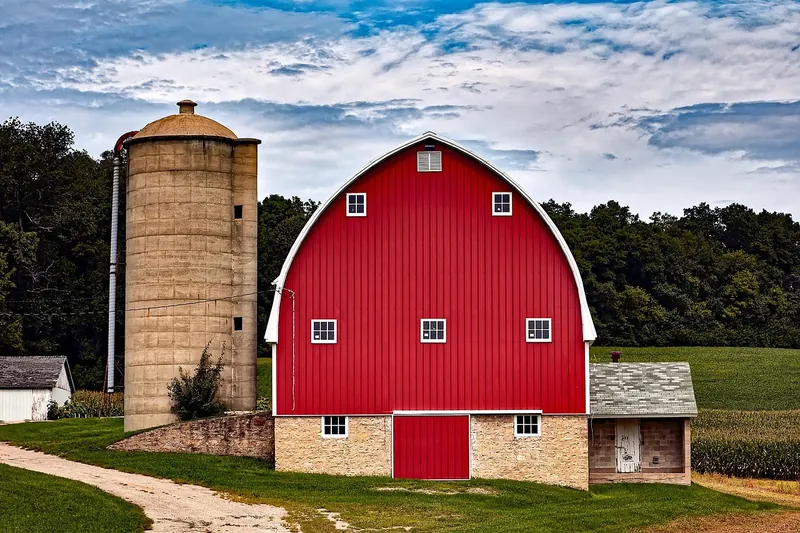
Wisconsin Spring Election 2027
A candidate can be ready, well liked and still miss the ballot by a few hours. Filing dates in Wisconsin are firm, and in a spring race the main one lands right after the holidays.
 Tony Ruffi9 min read
 Add as a preferred source on Google
This article lays out the 2027 spring election calendar from the first day you can gather signatures to election day. By the end, you'll have the dates, a few rules that give some candidates extra time, and a month-by-month plan we'd use to get ready.

The dates, in order
When is the 2027 Wisconsin spring election?
The spring election is on Tuesday, April 6, 2027. State law sets it on the first Tuesday in April. If a race needs a primary, which is an early vote that cuts a crowded field down, that comes first, on the 3rd Tuesday in February, which is February 16. Most small races skip the primary, so the date that matters most is the one in January.
- [ ] December 1, 2026: the first day anyone can sign your papers
- [ ] January 5, 2027, 5 p.m.: papers & your declaration of candidacy are due
- [ ] January 8, 2027: a city may call a primary by this date, if you're in a city
- [ ] February 16, 2027: the primary, but only if your race has one
- [ ] April 6, 2027: election day
- [ ] 20% extra: our rule for how many signatures to gather past the minimum
State law puts you on the ballot through nomination papers. Those are the sheets where voters in your district sign to say they want to see your name on the ballot. Nomination papers, signature counts and what gets a signature thrown out are covered in our Wisconsin nomination papers article. This one is about the calendar around them.
What are the key dates for a 2027 candidate?
Count backward from April 6 and the whole season shows up. The big gap is the one between December 1 and January 5, which is about five weeks. You have to gather every signature in that time, while the weather is bad and people are busy with the holidays. After that, most dates are out of your hands, so the work is done early.
| Date | What happens | Why it matters |
|---|---|---|
| December 1, 2026 | Nomination papers can start going out | A signature collected before this day doesn't count |
| January 5, 2027, 5 p.m. | Papers & declaration of candidacy due | This is the hard stop for most spring offices |
| January 8, 2027 | Last day for a city to call a spring primary, and the end of the 72 hour extension (below) | Your race may change shape after this |
| February 16, 2027 | Spring primary, if one is held | The top finishers go on to April |
| April 6, 2027 | Spring election | Polls are open, and your voters have to show up |
We counted these 2027 dates from the statute text, so check them against your clerk's calendar before you plan around them. The sources are Wis. Stat. § 5.02, § 8.10 and § 8.11.
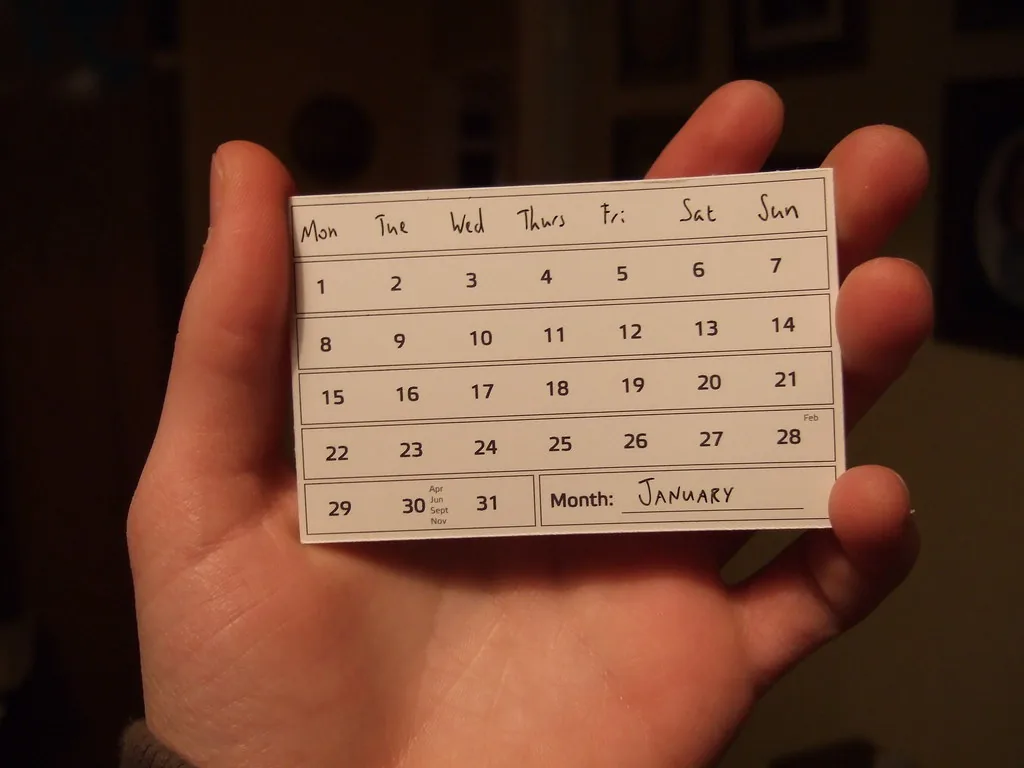
When do nomination papers go out, and when are they due?
Papers can go out no sooner than December 1, and they're due at the filing office by 5 p.m. on the first Tuesday in January. Next year that Tuesday is January 5. If the first Tuesday is a holiday, the deadline moves to the next day. Don't plan around that. Plan to be early (Wis. Stat. § 8.10(2)(a)).
Two things about that rule. First, the filing office is usually the clerk for your city, village, town or school district, but it can be a different office for some jobs, such as a judge. Ask which one is yours, and ask what hours they keep, because a closed door at 4:59 is still a closed door. Second, the number of signatures changes by office and by the size of the city. Our nomination papers article has the details, and your clerk has the number for your seat.
Here's the rule we give every candidate: gather 20% more signatures than the minimum. Some will be thrown out for good reasons, like a signer who doesn't live in the district or a missing date, and that cushion keeps you on the ballot. It's our rule, not the law's.
What else do you have to file besides signatures?
You also file a declaration of candidacy, which is a sworn form that says you're running for a named office and that you meet the rules to hold it. It's due by the same time as your papers, and it has to be sworn in front of someone who is allowed to give oaths (Wis. Stat. § 8.21).
The form asks for your name the way you want it on the ballot, the town where you vote, and your street address. It also has you state that you haven't been convicted of certain crimes. Read the form itself, because the wording is exact. If something on it changes after you file, the law says you file an amended one.
Your campaign also has paperwork for money. Before you raise or spend any, ask your clerk how to register your campaign and which form to use. For local candidates, that's usually a short form filed with the clerk. Our paid-for-by article explains the rules for the line on your signs and mail, which you'll need once your first sign goes up.
Why do towns and villages play by different rules?
Towns and villages have their own way to nominate candidates, and many use a caucus instead of papers. A caucus is a public meeting where people in the town or village nominate candidates. The local governing body, which is the town or village board, picks the date, in a window between January 2 and January 21, and state law says to favor January 21 when it can (Wis. Stat. § 8.05).
A village board that wants papers has to decide that by December 1. When papers are used, a town or village candidate needs 20 to 100 signatures, and the same December 1 start and first-Tuesday-in-January deadline apply. If you live in a small town or village, call the clerk in October or early November and ask one plain question: "Do we use papers or a caucus?" The answer changes your whole winter. Our village board article walks through that race.
What if the person holding the seat doesn't file?
Then everyone else who wants that seat gets 72 more hours. An incumbent is the person now in the seat. If they don't file papers and a declaration by the deadline, the other candidates for that seat may file up to 72 hours later. With a January 5 deadline at 5 p.m., that runs to 5 p.m. on January 8 (Wis. Stat. § 8.10(2)(a)).
There's a catch. The extension doesn't apply if the incumbent sent the filing office written notice that they won't run, by 5 p.m. on the 2nd Friday before the deadline, and then didn't file. So you can't count on it. We tell candidates to file on time as if there were no extra days, and to treat the 72 hours as a surprise bonus for the few who need it. Ask your filing officer how it works for your seat.
Will your race have a primary?
It depends on the office, how many people file, and in some places a vote by the local governing body. A primary trims a crowded field down before April. If one is held, it's on February 16, 2027, and it adds a whole second election to your plan.
For cities, state law lets the governing body call a spring primary no later than 3 days after the filing deadline. That's January 8, 2027 (Wis. Stat. § 8.11). Villages have a similar rule, and some places set triggers by ordinance, like a primary whenever three people file. The rules differ by office, so ask the clerk once the filing deadline passes. Then plan as if you will have one, because the weeks between January and February are short. A February primary means your voter work starts in the dead of winter, not in March.
What should you do each month before the filing deadline?
Work backward from January 5 and give every month one job. This isn't a rule of law. It's the plan we'd build with a candidate, and you can bend it to fit your race. The point is that your first signature goes on a sheet the day papers open, not three weeks later.
| When | One job to finish |
|---|---|
| October | Pick your office, check you live where you'd have to live, and ask the clerk for the papers and the filing hours |
| November | Make your signature plan: who gathers, where, and how you'll hit 20% over the minimum. Build your first list of supporters |
| Week of December 1 | Start gathering the first day you can. |
| Mid-December | Check every sheet for dates, addresses and signers who live in your district |
| Late December | Fill your declaration of candidacy and get it sworn. Don't wait for the last week |
| First days of January | File early, ideally before the 5th, and ask the clerk to look over your papers |
| After January 5 | Get ready for a February primary, and ask your clerk when the ballot is set |
Any free time you have in these months should go to knocking doors, every spare minute you can find. A neighbor who has met you will sign your papers, and that same neighbor is a vote in April. Our announcement plan fits right in the first week of December.
What do we see candidates miss about dates?
They treat the deadline as the goal. The deadline is only the door, and the real race starts the day after you file. We worked with Brent Jacobson on his 2024 State Assembly race, which he won with 66% in a newly created district. Nobody in that district had a habit of voting for him, so every date on his calendar had to do real work.
The biggest thing we've seen is a candidate who doesn't get the filing dates right or puts the papers together wrong. That can bring real consequences, and it hurts the brand too. It can look like you're not up to the job, or even like you're hiding something. Money plays into it as well. When filings come out, they show your opponent how much you have and how much you've spent, and they show you the same about them. Both sides use that to decide whether to spend more or hold back, so it only works if everyone files the same way, on the same date. Get it done, get it done right, and get it done on time. If you have a question, call the Wisconsin Elections Commission in Madison. The people there will help and answer your questions, and they aren't out to get you. Candidates from any side can call.
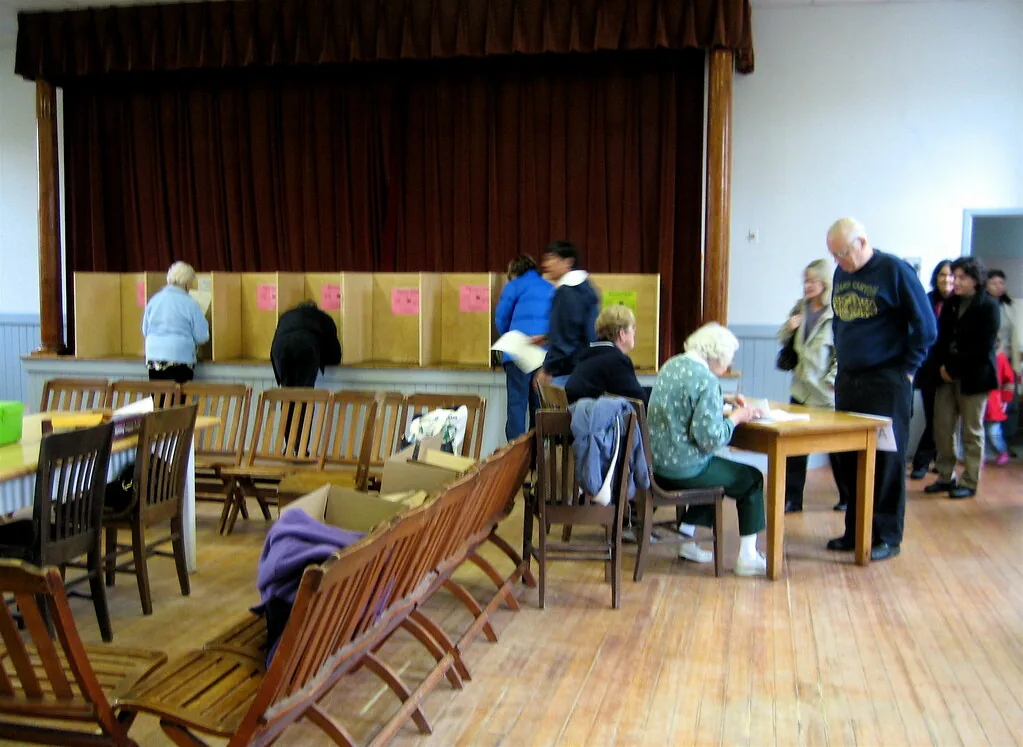
The pattern is simple. The candidate who has the dates on one page, on the wall, in October, is calm in December. The one who learns the dates in December spends the holidays chasing signatures at the last minute. State law doesn't care how busy you are.
Your first week in December
Print this page, or write down four dates tonight. One: December 1, the day papers open. Two: January 5, 5 p.m., the day they're due. Three: February 16, in case a primary is called. Four: April 6, election day.
Then add one thing you'll do on each date, starting with the first signature on December 1. A date you wrote down is a date you'll make.
This article is general information, not legal advice. Dates and rules can change, each office has its own details, and your clerk may handle a few things in their own way. Confirm what applies to your race with the Wisconsin Elections Commission and your clerk or other filing officer.
Want help building your calendar and your signature plan? Our consulting team works with candidates from school board to Congress & governor, and the first conversation is free.
Filing questions we hear in the fall
What is the filing deadline for the April 2027 spring election in Wisconsin?
Under state law, nomination papers for spring offices are due by 5 p.m. on the first Tuesday in January, or the next day if that Tuesday is a holiday. In 2027 that Tuesday is January 5. Your declaration of candidacy is due at the same time. Confirm the date, and the right office to file with, with your clerk.
When can I start collecting signatures for the 2027 spring election?
Not before December 1, 2026. State law says papers can be circulated no sooner than December 1 before the election. A signature gathered earlier does not count, so wait for the date even if you're ready now.
When is the Wisconsin spring primary in 2027?
If a primary is held, state law puts it on the 3rd Tuesday in February, which is February 16, 2027. Many races never need one. Whether yours does depends on the office, how many people file, and sometimes a vote of the local governing body, so ask your clerk after the filing deadline.
What day is the 2027 Wisconsin spring election?
Tuesday, April 6, 2027. State law sets the spring election on the first Tuesday in April each year. A primary, if your race has one, comes first on February 16. Ask your clerk which of the two your race will have.
Do towns and villages use nomination papers?
Some do and some use a caucus, which is a public meeting where people nominate candidates. A village board has to choose papers by December 1. If papers are used, a village or town candidate needs 20 to 100 signatures, and the same December 1 and January 5 dates apply. Ask your clerk which way your town or village goes.
Is this article legal advice?
No. It's a plain-English overview of dates in state law and how we'd plan around them. Rules and dates can change, and each office has its own details. Confirm them with the Wisconsin Elections Commission and the clerk or other filing officer for your race.
Can Bluejack help me plan my filing season?
Yes. We work with candidates at every level, from school board to Congress & governor, on calendars, signature plans and the first weeks of a race. Reach out for a free consultation and we'll talk through your race.
Fact-checked October 16, 2026 against Wis. Stat. §§ 5.02, 8.05, 8.10, 8.11 and 8.21 on docs.legis.wisconsin.gov.
- Wis. Stat. § 5.02, Definitions (spring election, spring primary), Wisconsin Legislature accessed Oct 16, 2026
- Wis. Stat. § 8.05, Nomination in towns and villages, Wisconsin Legislature accessed Oct 16, 2026
- Wis. Stat. § 8.10, Nominations for spring election, Wisconsin Legislature accessed Oct 16, 2026
- Wis. Stat. § 8.11, Spring primary, Wisconsin Legislature accessed Oct 16, 2026
- Wis. Stat. § 8.21, Declaration of candidacy, Wisconsin Legislature accessed Oct 16, 2026
- Local Candidates, Wisconsin Elections Commission accessed Oct 16, 2026